Betsoft Online Casinos in the UK: What to Check
 Available in GB
A provider label or old listing is not proof of current access; casino details and game catalogues can change.

Table of Contents
- Betsoft Slots in the UK: What You Can Actually Verify
- Betsoft Games: Titles, Features and What’s Missing
- Real Money, Free Play and Mobile: Check the Details Before You Start
- How to Check Whether a UK Casino Carries Betsoft
- No-Deposit and First-Deposit Offers: Read the Wagering Terms
- Betsoft Software and Casino Integration: No Verified Details Yet
- Betsoft Gaming Sites: What the Search Term Doesn’t Confirm
- RTP and Volatility: Don’t Guess from the Game Name
- Betsoft as a Provider: Confirm the Licence and the Game
- Bonuses and Payment Methods: Check the Casino’s Own Terms
Betsoft Slots in the UK: What You Can Actually Verify
A provider name can make a casino lobby look more certain than it is. You see “Betsoft” beside a slot, or find an old page saying a UK casino carries the provider, and it is tempting to treat that as a settled fact. I’ve made that leap before. A label or listing is a lead, not proof that the game is currently available to you.
I would not call a particular title a confirmed Betsoft slot, or a particular casino a confirmed carrier, without checking the operator’s current information. Game catalogues change, and a page that was accurate when it was written may no longer describe what the casino offers. That is a practical limit, not a reason to fill in the gaps with guesses.
Start with the casino, not the label
For UK play, the first meaningful check is whether the operator holds a current UK Gambling Commission licence for the gambling it offers. Remote gambling operators selling into the British market need the relevant UKGC licence, even if their business or equipment is based elsewhere. A familiar brand name, polished website or provider logo does not replace that check.
If you’re looking for UK-facing casinos to consider for Betsoft games in 2026, payout timing is one practical detail to check. This list gives you the stated withdrawal timeframe for each operator.
Payout speed: 1-3 business days Britsino lists a payout speed of 1–3 business days, giving you a stated timeframe to consider.
Payout speed: 1-3 business days x3bet lists a payout speed of 1–3 business days, which gives you a concrete detail to weigh.
Payout speed: 1-3 business days Revery Play lists a payout speed of 1–3 business days. You can use that timeframe as one factor in your review.
Payout speed: 1-3 business days NightWin lists a payout speed of 1–3 business days, so you have a stated withdrawal timeframe to refer to.
Payout speed: 1-3 business days SpinFormula lists a payout speed of 1–3 business days. That is the available payout detail for you to consider.
Payout speed: 1-3 business days EvoSpin lists a payout speed of 1–3 business days, giving you a stated timeframe for payouts.
Payout speed: 1-3 business days Zombillion lists a payout speed of 1–3 business days. You can factor this stated timing into your assessment.
Payout speed: 1-3 business days Dieselwin lists a payout speed of 1–3 business days, a practical detail for you to note.
Payout speed: 1-3 business days SlotoSport lists a payout speed of 1–3 business days, giving you a stated payout timeframe to consider.
Payout speed: 1-3 business days BeOnBet lists a payout speed of 1–3 business days. You can use this timeframe as one part of your evaluation.
I treat the casino and the software provider as separate things. The operator is the business you open an account with; it handles player deposits, payouts, bonus terms and customer support. Seeing a provider’s name in a lobby does not tell you whether that operator is licensed, nor does it establish what games are available today. Those are different checks.
The same caution applies to pages that describe a site as a “Betsoft casino.” That phrase may be editorial shorthand, an old listing or a claim copied from somewhere else. It does not, on its own, tell you whether the site is authorised to serve people in Great Britain. Offshore casinos sit outside the UKGC system, so their claims do not give you the protections attached to a UK-licensed operator. Don’t let a game-provider label stand in for the licence.
Look for a live, specific listing
Once you are on a licensed casino’s own site, look for the game in its current lobby or catalogue. A broad provider page is less useful than a listing for the actual title you want to play. Check that the title opens from that operator’s site and that the displayed provider information matches the game page, rather than relying on a third-party article or a search snippet.
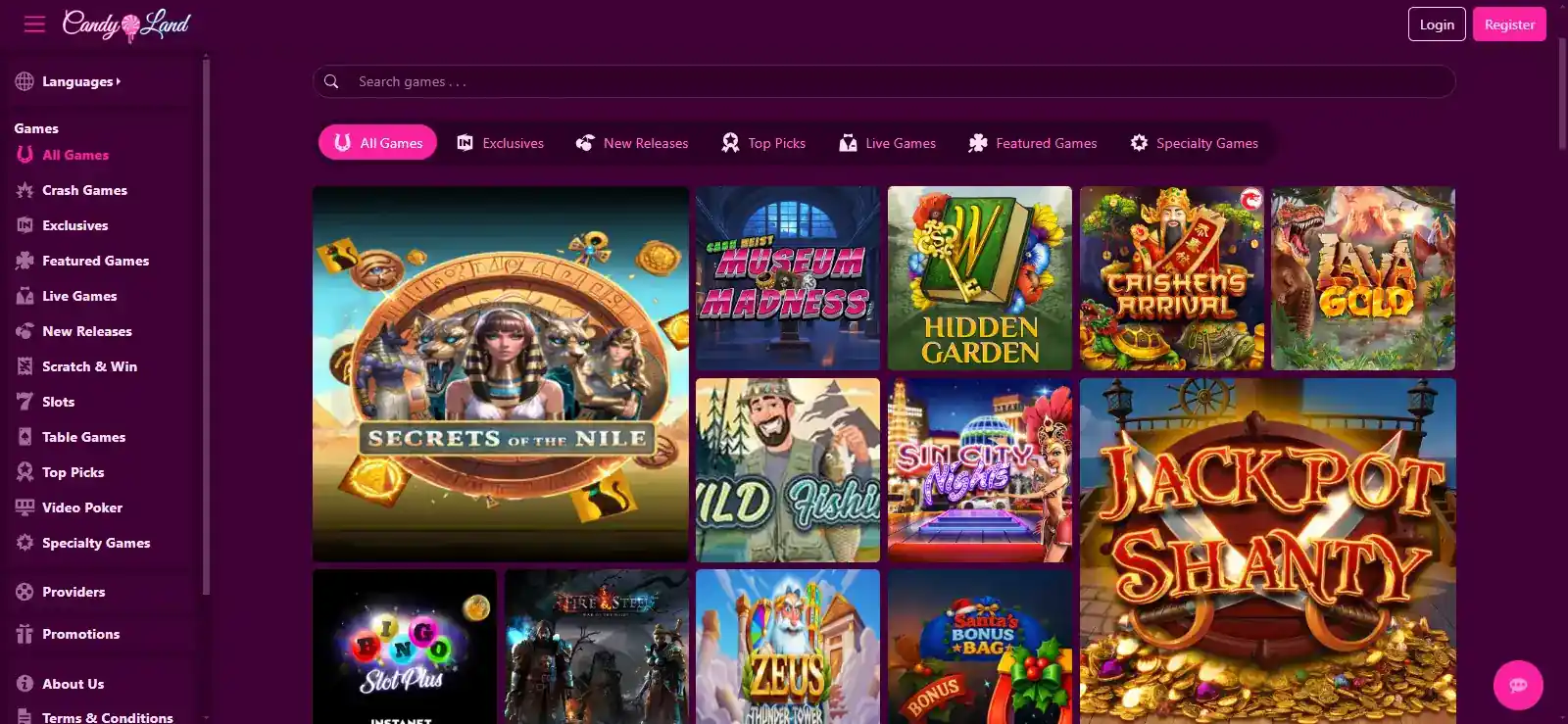
If the casino has a provider filter, you can use it as a starting point, but I would still open the game’s own page. A filter can be incomplete or out of date; an old review can linger long after a lobby changes. If the title cannot be found in the casino’s current catalogue, don’t assume that a similarly named game or an image in an article is the same release.
Keep a note of what you actually checked: the operator, the title, and the date. That sounds fussy until a listing disappears or a page contradicts another one. Then it is useful to know whether you saw the game in a live lobby or merely read that it might be there. Small distinction. Big difference.
Check the rules that apply to the slot
A provider name does not exempt a game from UK rules. For online slots in Great Britain, the maximum stake per game cycle is £5 for players aged 25 and over, and £2 for players aged 18 to 24. The lower limit for younger adults took effect on 21 May 2025; the £5 limit for older adults took effect on 9 April 2025. These limits apply regardless of which provider made a slot.
British online slot rules also prohibit autoplay and require at least 2.5 seconds between spins. So if a page promises a way to spin automatically, or presents play that appears to bypass the required pause, I would stop and check what the operator is actually offering. A promotional description is not a substitute for compliant gameplay.
Attention: For online slots in Great Britain, the maximum stake is £5 for players aged 25+ and £2 for those aged 18 to 24.
A UKGC-licensed operator must prompt you to set a financial limit before your first deposit, and reductions to that limit must be applied immediately. GamStop has also been mandatory for all Great Britain-licensed online operators since 31 March 2020. These are operator-level safeguards, not features specific to Betsoft, but they matter more than a provider badge when deciding whether a casino is suitable.
Don’t turn a search result into a recommendation
The phrase “best” is doing a lot of work in casino advertising. It can mean a page has ranked sites, not that anyone has verified every game in each lobby. I would avoid treating a ranking, a banner or a provider logo as a guarantee of current access. Confirm the licence and the live listing yourself before relying on the claim.
I also wouldn’t infer anything about the quality or mechanics of a slot from its provider name alone. The useful facts are the ones attached to the particular game and the casino offering it, not assumptions carried over from another title or operator. If you cannot find clear, current information, leave it unconfirmed. No need to force a match.

That is the standard I use before calling something a Betsoft slot available in the UK: a current game listing on a UKGC-licensed operator’s own site, with the operator’s status checked separately. Anything less may point you in the right direction, but it does not settle the question.
Betsoft Games: Titles, Features and What’s Missing
A provider name can make a games lobby feel more specific than it is. You see “Betsoft” in a filter or on a casino page and may expect to find a neat set of titles, each with a clear description of how it plays. I’ve learned not to treat that label as a game guide. It doesn’t tell you which individual games are available, what their features are, or whether a title shown somewhere else will appear in the casino you’re using.
That matters because a slot’s name is not a description. Two games can share familiar imagery or wording and still have different rules, bonus rounds and payout structures. Even a confident-sounding summary can leave out the detail that changes how a game feels: what triggers a feature, whether it can retrigger, how the symbols pay, or what happens when a round ends. If those details are not tied to the actual game, they are decoration.
Two games can share similar imagery or wording but still have different rules, bonus rounds, and payout structures.
I’m not going to pad this out with a supposed list of Betsoft games or attach made-up features to titles. That would look useful and be worse than useless. A catalogue is only worth reading when each named game can be checked against its own information in the casino where you plan to play. Otherwise, it’s easy to mistake a general provider mention for confirmation of a particular title.
What a useful game description should tell you
When you open an individual game, look for its rules or paytable rather than relying on a short lobby blurb. The useful details are the ones that explain the game itself:
- the symbols and how winning combinations are formed;
- whether the game has special symbols, bonus rounds or another feature;
- what triggers each feature and how its outcome is determined;
- the available stake settings and the game’s stated return information;
- whether the displayed rules match the version currently loaded.
Those are questions to ask of any slot, not claims about Betsoft games. A title page that answers them gives you something concrete to assess. A provider logo or a thumbnail cannot do the same job.
I once took a glossy game description as a decent preview. It gave me the mood, the artwork and a lot of confident language, but not the practical rules I needed. I ended up opening the game and reading the paytable after I’d already started. Backwards, really.
Don’t confuse presentation with mechanics
Words such as “cinematic”, “immersive” or “feature-rich” are sales language until the rules show what they mean. A dramatic animation may simply be presentation; a bonus round may be central to the game or just an occasional extra. The only way to tell is to read the game’s own instructions and see what the mechanics actually do.
The same caution applies to categories such as classic slots, video slots or themed games. A category can help you browse, but it cannot tell you the precise reel layout, paylines, bonus conditions or payout rules of an individual title. Nor should a familiar theme persuade you that you already know how the game works. I’ve made that assumption. It saves no time.
If a casino offers a demo mode, it can help you understand the layout and basic flow, but it is not a substitute for the rules. A few spins might show you what the buttons do; they cannot establish how often a feature occurs or what a long-term return will be. Don’t turn a short session into a prediction.
Treat “best” as a personal fit, not a ranking
There is no sensible way to call a Betsoft game the best for you without knowing which titles are actually in front of you and what matters to you. You might prefer simple rules and a steady pace; someone else may want more bonus features or a particular theme. Those are preferences, not proof that one game is objectively superior.
I’d compare the actual rules and presentation of the games available in the casino lobby, rather than trusting a ranking that names titles without showing how it reached its verdict. If you cannot find the paytable or understand a feature after reading it, skip that game. No prize for deciphering marketing copy.
That approach also keeps “free spins” in its proper place. The phrase can describe a game mechanic, a casino promotion or both, depending on the context. Seeing it beside a title does not explain which meaning applies, or what rules govern the offer. Read the game rules for a game feature; read the casino’s terms for a promotion. Different questions.
For now, the honest way to approach Betsoft-branded games is to judge each title individually, from the information shown with that specific game. A provider label can point you towards a category, but it cannot stand in for a verified title list or a proper explanation of how a game works. Check the game, not the promise.
- Read the game’s own paytable and rules
- Use demo mode to learn the layout
- Judge each title individually
- Rely on short lobby blurbs
- Trust “cinematic” or “immersive” labels
- Assume a theme implies known mechanics
Real Money, Free Play and Mobile: Check the Details Before You Start
“Real money” and “free play” can look like two versions of the same slot, but they are different ways to use it. With real-money play, you stake money and any winnings are credited under the casino’s rules. A demo or free-play mode uses no cash stake and does not give you withdrawable winnings. Seeing a provider’s name beside either option does not, by itself, confirm that a particular game is available in that mode.
I would check the game screen and the casino’s own terms before treating a demo as a preview of the paid version. The demo may let you try the controls, but it cannot tell you what it feels like to play with money at stake. And if a page mentions free spins or a bonus code, that is a separate offer, not proof that the named slot is available or that the spins can be used on it. Read the offer conditions before opting in. Small print matters.
For real-money play in Great Britain, use a casino holding a current UKGC licence. The stake limits and slot design rules apply regardless of the game provider. For players aged 25 and over, the maximum online-slot stake is £5 per game cycle; for those aged 18 to 24, it is £2. The lower age-band cap took effect on 21 May 2025, while the £5 cap for older adults began on 9 April 2025. These are maximums, not recommended stakes. You can choose less.

There are also rules about how online slots operate: autoplay is prohibited, and each spin must be separated by at least 2.5 seconds. So if a game page promises a hands-free run of spins, pause before assuming that feature is available for UK play. The rules follow the game into the licensed UK market.
Free play is not a cash test
A demo can be useful for learning where the buttons are, but it is not a reliable way to judge how a real-money session will feel. You are not risking a deposit, and demo winnings are not cash to withdraw. If you switch from demo to paid play, check the stake shown before starting; don’t assume the settings carry over in a way you expect.
I’ve learned not to treat a “free” label as the whole story. It may describe a demo, a promotion, or a limited feature. Those are not interchangeable. If you cannot tell which one you are looking at, stop and read the page again.
Mobile access needs its own check
A casino working on your phone does not guarantee that every game in its lobby does. Open the specific game on the device you plan to use and check that the controls, screen layout and responsible-play tools are usable. If you switch between phone and desktop, look again at the stake before spinning.
I would not assume a Betsoft title has a mobile version, a demo, or a real-money option just because the casino itself has a mobile site. Confirm the game and mode on the casino’s own platform before depositing. That takes a moment. Better than guessing.
Attention: Autoplay is prohibited and each spin must be separated by at least 2.5 seconds for UK play.
How to Check Whether a UK Casino Carries Betsoft
A list of casinos is only useful if it is current and each entry can be checked. I would verify two separate things before treating a site as a UK option: whether its operator holds the right UKGC licence, and whether the casino currently offers the games you’re looking for. One does not prove the other.
Check the operator, not just the brand
Start with the casino’s legal information, usually linked from the footer. Find the name of the business that operates the site and its licence details. Then check that business against the Gambling Commission’s Public Register. Match the company name and the licence status; don’t rely on a logo or a line saying “licensed” on a promotional page.
The UK Gambling Commission regulates gambling activity in the UK, including remote gambling offered to consumers in Great Britain. Its remit does not depend on where a casino’s equipment is located. It issues operating licences to businesses and personal licences to individuals working in the sector. For a player, the relevant check is the operator’s permission to provide gambling, not whether a software company appears in a list of suppliers.
I used to treat a licence badge as the whole check. It isn’t. A brand name on a homepage may not be the legal name shown on the register, so take a moment to match the details.
Confirm the games inside the casino
Once the operator checks out, look at the casino’s own games area. Search for Betsoft using the provider filter, if one is available, and check the game listings directly. A third-party page calling itself a complete Betsoft casino list can be out of date, region-specific or based on an old lobby. Treat it as a lead, not confirmation.

If the provider name does not appear, ask the casino’s customer support whether Betsoft games are currently available to customers in Great Britain. Ask for the relevant game or provider to be identified in the reply. “We have thousands of games” is not an answer. Nor is a general statement that the casino works with multiple suppliers.
Availability can be different across a casino’s website and app, or change over time. Check the version you intend to use and, if you can, search the live lobby after signing in. A result on a search engine or an old review does not establish what is available now.
Don’t confuse live casino with a software label
“Live casino” normally describes games presented with a live dealer or studio stream. A provider name in a slot listing does not establish that the same company runs a live studio, and a live-casino category does not confirm that Betsoft games are offered there. Check the specific game and its provider in the casino’s own lobby rather than inferring one from the other.
Keep the two checks separate: first confirm the operator’s UKGC licence; then confirm the current game listing with the casino. That is more useful than trusting a long list with no dates or evidence. No shortcut here.
Verify a Casino
Find the business name in the footer and match it against the Gambling Commission’s Public Register.
Search for the provider using the casino’s own filters or contact customer support for a specific title.
Ensure the registered business matches the site and its permissions cover remote gambling in Great Britain.
No-Deposit and First-Deposit Offers: Read the Wagering Terms
“No deposit” sounds like money you can take straight out. It may instead describe a promotion with conditions attached, so I’d read the full terms before treating a headline as cash in your account. The same goes for a first-deposit offer: check what counts as eligible, what you must do to release any bonus funds or winnings, and whether the offer has an expiry condition.
For customers in Great Britain, the UK Gambling Commission’s cap on wagering requirements for bonus funds took effect on 19 December 2025. The limit is 10×. That gives you a firm point to check against the terms, but it does not mean every promotion is available, worthwhile, or free of other conditions. If the wording is unclear, pause rather than guessing.
A “£5 deposit” label also tells you only what the promotion claims about its deposit threshold. It does not establish that a particular casino accepts that amount, that the offer applies to Betsoft games, or that a specific game is available. Check the operator’s own current terms and cashier information; don’t rely on a banner copied onto another page.
Keep the promotion and the game catalogue separate in your head. A casino might advertise a welcome offer without making any particular provider’s games eligible for it. Conversely, seeing a provider’s name in a lobby would not prove that a no-deposit or first-deposit offer applies to those games. I’ve found that promotional wording can make those things look connected when the terms may treat them separately. Read the detail. Then decide.

Be especially wary of “non-GamStop” offers presented as a workaround. GamStop is required for UKGC-licensed online operators, and a site outside that system is not thereby a better UK option. For real-money play in Great Britain, use a casino with a current UKGC licence; an offshore site does not provide the same UK regulatory protections.
Before accepting anything, check the operator’s name, the promotion’s full terms, the wagering requirement, any game or provider exclusions, and how winnings are treated. Confirm that the offer is still live directly with the casino. A page calling something the latest Betsoft bonus cannot, on its own, confirm either a current promotion or Betsoft game availability.
The practical test is simple: can you find the offer in the casino’s own terms, and do those terms clearly explain what you must do? If not, don’t deposit on the strength of the headline. A bonus is not a reason to rush.
Betsoft Software and Casino Integration: No Verified Details Yet
When a casino describes its platform as “Betsoft software”, that phrase can mean different things. It might refer to a game supplier, the software used to run the casino, or simply a label on a page about particular slots. Those are not interchangeable. I can’t confirm how Betsoft games are supplied to UK casinos, or whether a particular operator connects to a provider directly or through an intermediary.
That distinction matters. A casino’s website is the customer-facing service: it handles account access and presents the games. A game provider, where one is involved, supplies software or titles to operators. Seeing a provider’s name on a page does not, by itself, explain how the operator has integrated its games, which versions are live, or whether those games can be launched by UK customers.
Remote gambling offered to people in Great Britain must be provided by an operator holding the relevant UKGC licence.
“Seamless integration” is marketing language. In practice, what you need to know is more ordinary: does the game open from the casino’s lobby, does it work in your browser, and does the operator identify the provider in its current game information? I wouldn’t treat a polished interface or a provider logo as proof that the software relationship is active. Screenshots and old review pages can linger after a lobby has changed.
If you want to assess the software experience, look at what the casino itself shows now. Check whether the game opens properly, whether its help or information panel loads, and whether the casino’s support team can identify the provider. If a page claims that a title is available but it is absent from the live lobby, that claim has not answered the practical question. Not much use otherwise.
I’ve learned not to confuse a game’s appearance with the infrastructure behind it. A slot can look consistent across sites while the casino controls how it is presented and accessed. But without clear, current operator information, I would not guess at the technical arrangement or assume that the same catalogue appears everywhere.
For UK customers, the operator’s status is separate from the supplier’s software role. Remote gambling offered to people in Great Britain must be provided by an operator holding the relevant UKGC licence. That requirement does not confirm which provider powers a casino, nor does a provider name establish that an operator is licensed.

So treat claims about Betsoft casino software in the UK as something to verify at the operator level. Look for a current explanation from the casino, not just a generic software description repeated across review pages. If the relationship is unclear, say so to support before relying on the claim. No guesswork.
Betsoft Gaming Sites: What the Search Term Doesn’t Confirm
A casino page can use “Betsoft” in a heading, a review can describe a site as a Betsoft casino, and a games menu can show a provider name. None of those labels, on its own, proves that the site holds a UKGC licence or that Betsoft games are available there now. They are separate claims, and I’ve learned not to treat one as proof of the others.
For a UK player, the site itself matters. A business offering remote gambling to people in Great Britain needs the relevant UKGC operating licence, even if its offices or technical equipment are elsewhere. A provider name does not substitute for that licence. Nor does a polished-looking page. The operator is the business you would be opening an account with, depositing with and relying on for customer support.
There is another distinction that is easy to miss: a casino may be licensed without carrying the provider’s games, while a site that advertises those games may not be licensed for British customers. “Betsoft gaming sites” is a description someone has chosen to use, not an official status. The same goes for claims that you can play particular slots there, try free versions, or find a particular return-to-player figure. Each needs evidence on the operator’s own current site; a headline or an old review is not enough.
Licensing Risk
Sites operating outside the UKGC system do not provide the same regulatory protections for British consumers.
I would start with the casino’s legal information and make sure the named operator and licence details match the UK Gambling Commission’s public register. Then I’d look at the live games lobby while logged out if possible, and check whether the provider and any claimed titles are actually shown. A stale promotional page can outlive a game listing. Small detail. Important one.
If the site is not UKGC-licensed, it sits outside the British regulatory system, whatever its branding says. That means it is not a UK-licensed casino for local consumer protections. Don’t let a provider logo blur that line.
The sensible reading of a “Betsoft casino” label is modest: it tells you what the page is claiming, not what you have verified. Check the operator’s status and the current catalogue as two separate things. If either remains unclear, don’t make a deposit on the strength of the label.
RTP and Volatility: Don’t Guess from the Game Name
A slot’s name, theme or “high payout” label won’t tell you its RTP. RTP is a theoretical return calculated across a very large number of spins. It is not a promise about what you’ll get back during your own session, and it cannot predict whether the next spin will win. I used to treat a high figure as a reason to expect a better night. That was the wrong way round.

Volatility describes the pattern of wins, not the overall return. A high-volatility game can have longer dry spells and less frequent, larger wins; a lower-volatility one may produce more regular, smaller returns. Those are broad descriptions, not guarantees about any particular session. RTP and volatility answer different questions, so one cannot stand in for the other.
For a specific game, look for its information panel or rules and read the details there. Check whether the RTP is stated for the version actually offered by that casino, rather than relying on a figure copied into a general review. If the game does not show a figure, don’t fill the gap with an estimate from its title or theme.
The same caution applies to maximum wins. A listed maximum is a possible game outcome, not a typical result or a measure of how often it happens. “Big win” is marketing language; the useful detail is the game’s own stated limit and conditions. A progressive jackpot is different again: its prize can change as qualifying play contributes to it, so a headline amount does not tell you your chance of winning.
I’d also be wary of rankings that label a game the “best” or “highest” without saying what is being compared. Is it RTP, maximum win, jackpot size or volatility? Those measures are not interchangeable, and a ranking can quickly become stale if the casino’s version or game information changes.
Before you play, check the rules in the game itself and decide whether its pace suits your budget. Don’t chase a supposed high-RTP or high-volatility pick because the wording sounds like an edge. It isn’t one.
Understanding RTP and Volatility
- RTP (Return to Player) is a theoretical return calculated over a vast number of spins, not a guaranteed result for a single session.
- Volatility describes the pattern of wins: high volatility means less frequent but larger wins, while low volatility means more regular, smaller returns.
Betsoft as a Provider: Confirm the Licence and the Game
A software provider and a casino operator do different jobs. The provider makes or supplies games; the operator runs the gambling service that customers use. Seeing Betsoft named beside a slot, or on a casino’s provider page, does not by itself tell you which company holds the licence for that service.
That distinction matters more than the label. In Great Britain, the UK Gambling Commission regulates commercial gambling and requires remote operators serving consumers there to hold the relevant UKGC licence, wherever their key equipment is located. It issues operating licences to businesses and personal licences to individuals in relevant roles. A provider’s name is not a substitute for checking the operator’s status.
I’ve made the mistake of treating a familiar software name as a kind of safety stamp. It isn’t. A provider may be part of how a game reaches a casino, but that alone does not establish that the casino is licensed, that a particular title is available there, or that the provider holds a UKGC licence. Those are separate points, and they need separate confirmation.

For a Betsoft casino review in the UK, I’d start with the casino’s legal identity and current entry on the Gambling Commission’s Public Register. Make sure the registered business matches the site you intend to use and that its permissions cover the remote gambling it offers. A logo, a footer claim or a provider list is not the register.
Then keep the game question distinct. A licensed operator’s status does not prove that it currently carries Betsoft software, just as a game listing does not prove the operator’s licence. Check the casino’s own current information before relying on either claim. I would not infer Betsoft’s UK regulatory status from its name appearing in a lobby or in promotional copy.
The same applies to searches for a Betsoft mobile casino or live casino. Those phrases can blur the provider, the product and the business running the site. They are not regulatory categories. Check who is taking responsibility for the gambling service, and treat claims about a provider’s UK standing as claims to verify—not as a promise built into the brand.

Plain separation. That’s the useful bit.
Bonuses and Payment Methods: Check the Casino’s Own Terms
A “Betsoft bonus” sounds like a provider perk, but a promotion is set by the casino, not by the name on a game. I’ve learned to treat the headline as the start of the check, not the answer. Read the operator’s bonus terms and confirm which games, if any, qualify before you opt in. A label alone does not tell you whether a particular game contributes to wagering or whether an offer is available to your account.
For UK players, wagering requirements on bonus funds are capped at 10×. The UK Gambling Commission’s cap took effect on 19 December 2025. That is a ceiling, not a promise that every offer has the same terms, or that a particular bonus exists. Check the stated requirement, expiry conditions and any limits on withdrawing winnings before accepting. Small print matters.
No-deposit promotions and welcome offers need the same scrutiny. Check whether you must claim the offer, what triggers it, and whether winnings have conditions attached. Don’t assume an offer is tied to Betsoft simply because a page uses that name. The casino’s own terms are what count.
Payment options are also an operator decision. Check the cashier and the payment terms for the methods available to you, including any restrictions on deposits or withdrawals. UK operators must not accept remote gambling payments funded by credit cards, including credit-card-funded e-wallet top-ups. If a payment route is unclear, pause and ask the casino’s customer support before sending money.
I’ve made the mistake of reading the banner and skipping the rules. That’s how a “free” offer becomes a chore. Take a moment to check the terms attached to the casino account, rather than assuming that a provider name tells you what you can claim or how you can pay.
Are Amatic casinos on GamStop?
Yes, if you play Amatic games through a UKGC-licensed operator in Great Britain: GamStop has been mandatory for all such operators since 31 March 2020. Amatic supplies games but does not run consumer-facing casinos.
Are Amatic slots covered by GamStop self-exclusion?
Yes. GamStop applies at the operator level, so self-exclusion covers your access to the licensed casino and its games, including Amatic slots.
Do Amatic casinos on GamStop have self-exclusion options?
Yes. UKGC-licensed online operators in Great Britain must participate in GamStop, which lets you self-exclude from those operators.
What are the wagering requirements at Amatic casino bonuses in the UK?
For bonuses from UKGC-licensed operators, wagering requirements on bonus funds are capped at 10× under the rule that took effect on 19 December 2025.
Created by the ”Candyland Casino 1” editorial team.