Casinos That Accept Visa in the UK: Deposits and Payouts
 Available in GB
Visa funds a casino account rather than changing the games, and acceptance, payout timing and bonus terms can vary by site.

Table of Contents
- Visa at Online Slots: What the Card Actually Changes
- Before You Deposit: Limits, Minimums and Account Currency
- Can You Use Visa at an Online Casino?
- Visa Debit, Not Visa Credit
- Visa for Slots: Check the Cashier Before You Play
- When Visa Is Not the Right Fit: Other Payment Routes
- Using the Same Account for Deposits and Payouts
- Visa Withdrawals: Why a Fast Deposit Can Still Mean a Wait
- Visa Deposits and Casino Bonuses: Read the Terms First
- Visa and Casinos Outside Gamstop: Check the Payment Separately
Visa at Online Slots: What the Card Actually Changes
Visa does not change the slot game itself. It is a way to put funds into an online casino account; the games sit on the other side of that transaction. Once a deposit has been credited, you use the account balance to play whatever slots the casino makes available. The card does not unlock a special version of a game, improve its features or make a particular title more likely to pay.
That distinction sounds obvious, but casino pages can blur it. A phrase such as “Visa slots” may sound like a category of games. It is not. It describes a payment route connected to casino play, not a type of slot. I find it clearer to think of the card as the step before the game: it funds the account, and the account is what you use when you start playing.
UK casinos commonly accept debit cards, including Visa and Mastercard. That makes Visa a familiar option for funding an account, but it does not mean every casino accepts every Visa card or that every site offering slots will accept Visa. A payment logo shown in a general advertisement is not a promise about the card options available to each customer. The casino’s own payment information is what matters for that particular account.
If you’re looking for a UK casino that accepts Visa, check the available payment methods before you sign up. The details here give you each operator’s stated payout speed, but do not confirm Visa acceptance.
Payout speed: 1-3 business days Britsino lists a payout speed of 1–3 business days. The available details do not confirm whether it accepts Visa.
Payout speed: 1-3 business days x3bet lists a payout speed of 1–3 business days. The available details do not confirm whether it accepts Visa.
Payout speed: 1-3 business days Revery Play lists a payout speed of 1–3 business days. The available details do not confirm whether it accepts Visa.
Payout speed: 1-3 business days NightWin lists a payout speed of 1–3 business days. The available details do not confirm whether it accepts Visa.
Payout speed: 1-3 business days SpinFormula lists a payout speed of 1–3 business days. The available details do not confirm whether it accepts Visa.
Payout speed: 1-3 business days EvoSpin lists a payout speed of 1–3 business days. The available details do not confirm whether it accepts Visa.
Payout speed: 1-3 business days Zombillion lists a payout speed of 1–3 business days. The available details do not confirm whether it accepts Visa.
Payout speed: 1-3 business days Dieselwin lists a payout speed of 1–3 business days. The available details do not confirm whether it accepts Visa.
Payout speed: 1-3 business days SlotoSport lists a payout speed of 1–3 business days. The available details do not confirm whether it accepts Visa.
Payout speed: 1-3 business days BeOnBet lists a payout speed of 1–3 business days. The available details do not confirm whether it accepts Visa.
It is also worth separating “casino account” from “slot account”. A site may offer slots alongside other casino games, but the balance is generally held in the casino account rather than in a separate Visa-powered slot area. After funds are credited, the payment method is no longer part of the game session. You choose a game from the casino’s catalogue and use the available account balance to play it.
That is the whole connection. Visa may help you fund the account; it does not determine what games are listed, how they work or what happens in a spin. I have seen payment wording that makes a casino sound built around a card brand. In practice, that label tells you about the cashier, not the games.
A “Visa casino” is shorthand, not a special kind of operator. It can mean a casino where Visa is offered as a deposit method, but the phrase alone does not establish that the card will work for you. Nor does it say anything useful about the slot catalogue. Two casinos might both display Visa and still offer very different games; two casinos with similar slot ranges might have different payment options. Those are separate details.
The same goes for searches for slots that accept Visa. A slot does not process your card directly. The account does. If your deposit is accepted and credited, you can then play eligible games using the account balance. If it is not credited, the game catalogue does not change that. The card and the slot perform different jobs.
I used to treat every payment badge as if it were a green light for the whole site. That was too casual. A familiar logo can tell you what a casino says it supports, but it does not confirm that the payment option is currently available to your account or that your specific card product is eligible. Those details belong to the payment information for the casino, not to the slot’s title or artwork.
There is another small trap in the wording: “Visa deposit” can be mistaken for a casino feature or promotion. It is simply a description of how money may be added to an account. Any game access comes from the casino account and its terms, not from a special Visa mode. If a site uses flashy language around card-funded play, I read it as sales copy until I can see what the account and payment pages actually say.
For slot-focused players, this keeps the decision in the right order. First, understand that Visa is a funding option, not a game filter. Then treat the casino’s payment information and its game catalogue as two separate things to assess. A site may have slots you want and still not offer the Visa option you expected; it may accept Visa without having a slot selection that suits you.
Visa is a funding option for your casino account, not a game filter or a special version of a slot. It handles the transaction to provide a balance, but it does not affect the game’s rules or features.
So, when you see “Visa slots” or “Visa casino”, translate it into plain English: this is about using a Visa card to fund a casino account that offers slots. Nothing more is built into the phrase. The card gets you to the balance; it does not pick the game, change its rules or guarantee that the payment route is available. That’s the useful distinction.
Before You Deposit: Limits, Minimums and Account Currency
The amount shown in a casino’s headline is not necessarily the amount you can put through on your first Visa deposit. Before entering card details, I check three separate things: the minimum for that transaction, the maximum the account will allow, and the currency the casino account uses. They are easy to muddle together when you are keen to get to the games. I have done that, then had to go back and rethink the deposit.
A specialist casino review puts the minimum deposit range at £10–£20, with the amount depending on the payment method. Treat that as a guide to what you might encounter, not a promise that every cashier will show the same figure. The amount that applies is the one displayed for your chosen method and account when you are ready to deposit. If the cashier’s minimum is higher than you planned for, do not increase your deposit just to get past it. You can pause and decide whether that amount still fits your budget.
The minimum is only one side of the form. Deposit limits can apply per transaction, per day or per month, and a specialist review notes that they can vary with the payment method and the status of your account. So a maximum you saw described elsewhere may not match what you see at the cashier. Look for the limit attached to your account, and check whether the screen is showing a single-transaction cap or a broader account limit. Those are not interchangeable.
It is also worth separating the casino’s limits from your own. The cashier may let you deposit an amount that you do not actually want to spend. I find it more useful to decide on a personal ceiling before I open the payment screen, rather than treating the available maximum as a suggestion. “Flexible” can sound like a perk; in practice, it means you need to choose your own boundary. Keep it plain.
There is a required account-control step before that first deposit, too. UK Gambling Commission rules say remote gambling licensees must prompt new customers to set a financial limit before accepting their first deposit. They also need to make account-level limit controls accessible. So expect a prompt asking you to set a limit before you fund the account; it is not just an optional cashier setting to skip past. Take a moment to understand what the control applies to and how to find it again. If you later want to review your limit, the account controls should be accessible rather than buried out of sight.
I used to treat those prompts as admin and click through quickly. That is backwards. The limit is there to give you a boundary around deposits, not to tell you what you can afford. Choose an amount you are comfortable sticking to, and do not set it by looking at the maximum shown on a payment screen. If the account asks you to choose a limit and you are unsure what the setting means, stop and read the explanation before confirming.
Pre-Deposit Check
- Confirm the minimum deposit for the selected payment method
- Review transaction and account limits
- Set a thoughtful financial limit via the required prompt
- Verify that the account currency is set to GBP
Currency is the other check I would not leave until after the transaction. Specialist casino pages state that GBP is supported, but you should confirm the account currency before your first deposit rather than assume it from the site’s UK-facing presentation. If the casino account is set to another currency, a payment made from a sterling account may involve conversion. That can affect what the transaction costs or how much value reaches the casino balance. Check the currency shown in the account or cashier and make sure it is the one you intend to use.
A displayed balance can make this less obvious than it should be. Look at the currency label beside the amount, not only the number itself. If the cashier presents a conversion or asks you to accept one, read the terms on screen before proceeding. Do not assume the card issuer, payment provider and casino will all use the same exchange rate or apply costs in the same way.
My quick pre-deposit check is simple: confirm the minimum for the selected payment method, read the relevant transaction and account limits, complete the required financial-limit prompt thoughtfully, and verify that the account is in GBP if that is what you expect. It takes longer than clicking straight through. Not much longer.
Can You Use Visa at an Online Casino?
Yes, Visa is commonly accepted for deposits at UK online casinos, alongside other debit cards. But that does not mean every casino takes every Visa card, or that a payment will be available to every customer. The logo is a useful clue, not a promise.
I’ve learned not to rely on a payment-method badge alone. A casino’s general information page, an old review or even a familiar Visa logo can tell you what may be supported, but availability can change. A specialist casino review may list Visa as an option; treat that as a starting point, then check the operator’s cashier for the current position in the UK.

The cashier is the practical answer to “Can I use Visa here?” It shows which methods the operator currently offers and whether your particular card product is eligible. If Visa is shown, check the options presented after signing in rather than assuming that every Visa-branded card will work. The card type and the operator’s payment setup both matter.
That distinction is easy to miss when you are comparing casinos. A site can mention Visa in general while the payment route available to you differs. Equally, a card may carry the Visa mark but not be accepted for the transaction you are trying to make. I used to read the logo as a green light. It isn’t.
There is no need to turn this into a hunt for a “best” Visa casino. A list can go stale, and a ranking does not confirm that your card will be accepted today. Start with the cashier at a UK-facing casino and look for Visa among the live deposit options. If it is absent, or the cashier does not offer your card product, that operator is not a fit for this payment route at that moment.
Keep the check narrow: does the cashier currently show Visa for your account, and does it allow your card product? That is more useful than relying on a broad claim that a casino accepts Visa. It also avoids confusing general card acceptance with a guarantee about a specific transaction.
So, yes: UK casinos commonly accept Visa debit cards, but acceptance is not universal. Confirm it in the cashier before you plan around it. A small check. A cleaner start.
Visa Debit, Not Visa Credit
The Visa logo tells you which card network is involved; it does not tell you whether the card is eligible for gambling payments. In the UK, that distinction matters. Remote gambling licensees cannot accept credit-card payments for gambling, and the ban has been in force since 14 April 2020. It has not been relaxed.

A Visa debit card is different: the payment comes from money in an account, rather than borrowing against a credit facility. UK casinos commonly accept debit cards, including Visa and Mastercard. That does not mean every card displaying Visa will work, or that the same rules apply to every product issued under the brand.
I used to treat the logo as the answer. It wasn’t. The useful question is what kind of card you actually have, not just what network is printed on it. A debit card linked to your bank account is the relevant Visa card type for gambling deposits at a UK-licensed casino. A Visa credit card is not an alternative if a debit payment fails; the restriction is about credit-card payments for gambling, not a temporary cashier problem.
Card labels can be easy to misread, especially if you have more than one Visa product in your wallet or app. Check the card details with your issuer if you are unsure whether it is debit or credit. Don’t infer eligibility from the colour of the card, the bank’s branding, or the fact that it works for ordinary online shopping. Gambling payments have a specific restriction.
There is a related point about indirect routes. A credit-card payment does not become acceptable for gambling simply because it passes through another service. Remote operators must also refuse wallet payments where the wallet allows credit-card funds to be used for gambling. So changing the front end of the payment does not make borrowed credit a valid workaround.
That line is firm. If you are looking for online casinos accepting Visa card payments in the UK, focus on the debit-card distinction rather than assuming “Visa” covers every product. And if you hold a Visa credit card, don’t try to force it through a different payment route. Use a permitted funding source instead.
This is not a judgement about how you manage your money. It is a rule that applies to UK-licensed gambling, and a familiar card brand does not override it. When I stopped treating the logo as a promise, the choice became much clearer: debit may be eligible; credit is not. Simple, but easy to overlook.
Credit Ban
Remote gambling licensees in the UK are prohibited from accepting credit-card payments for gambling. Only Visa debit cards are eligible for deposits.
Visa for Slots: Check the Cashier Before You Play
When I’m looking for a casino to play slots, I don’t treat a Visa logo on a landing page as proof that I can use my card there. A specialist review may list Visa and Mastercard among a site’s payment options, but that information can be out of date or too broad for your particular card. The cashier is the useful check: it shows what the casino currently makes available to you.
I’d do that before settling in to play, not after choosing a game and building a session around a deposit that might not go through. Sign in, open the deposit area and see whether Visa appears as an available option. If it does, check that the payment screen accepts your card product and lets you proceed on the terms shown. A method listed somewhere on the site is not the same as one enabled for your account.
This matters just as much on a phone. A mobile site or app can make it easy to move from browsing to playing, but the payment options still need checking in the cashier. I wouldn’t assume that a method shown on a desktop page will appear in the same way on mobile, or that a “new” casino has a different Visa setup simply because it has recently launched. Check the actual deposit screen you plan to use.
The same goes for a site that looks like a good match for slots. Payment availability does not tell you which games are offered, and a slot catalogue does not tell you whether Visa is enabled. Those are separate checks. I keep them separate too: first I confirm the cashier accepts my card, then I decide whether I want to play there. Less guesswork.

Before confirming a deposit, read the amount and any fee or conversion information displayed on the payment screen. If anything is unclear, pause and check the casino’s payment terms or ask its support team. I’ve learned not to click through just because the buttons make it feel routine. A quick review is dull, but less annoying than discovering a payment problem mid-session.
There’s no need to hunt for a universal list of Visa slot casinos and assume it will stay accurate. The practical answer can depend on current UK availability and whether your own card product is eligible. Check the cashier directly, and make the decision from what it shows at that moment.
Once the payment option is confirmed, keep your attention on the session itself. In Britain, online slot autoplay is not allowed, and each spin must last at least two and a half seconds. Visa only concerns how you fund the account; it doesn’t change those rules or make a slot session safer by itself. I’d rather know what I’m doing before I start. Less friction.
When Visa Is Not the Right Fit: Other Payment Routes
Visa is not the only way to fund a casino account, and a different route may suit you better if the cashier accepts it and its conditions make sense. I’ve learned not to treat a familiar payment logo as a reason to click through. The useful comparison is what the method lets you do, what it costs, and whether it fits the offer you want.
Popular for speed and convenience, though some bonuses may not apply to PayPal deposits.
Can provide instant deposits and fast withdrawals via open banking, depending on the operator.
Includes options like Paysafecard, which are deposit-only and cannot be used for withdrawals.
Services like Skrill and Neteller are available at some sites but may be excluded from promotions.
PayPal is an option at some casinos. A specialist casino review describes it as popular for speed and convenience, but also notes that a PayPal deposit may not qualify for a bonus. That is enough to make me check the promotion’s terms before paying: an easy deposit is no help if it rules out the offer I intended to use.
Bank transfers and open banking can be another route. A specialist review reports that these services can provide instant deposits and fast withdrawals at many sites. Availability and processing still depend on the casino and the payment service, so check the cashier rather than assuming the same setup applies everywhere. Bank transfers can also involve timing and conversion considerations, particularly if the account currency differs from yours.
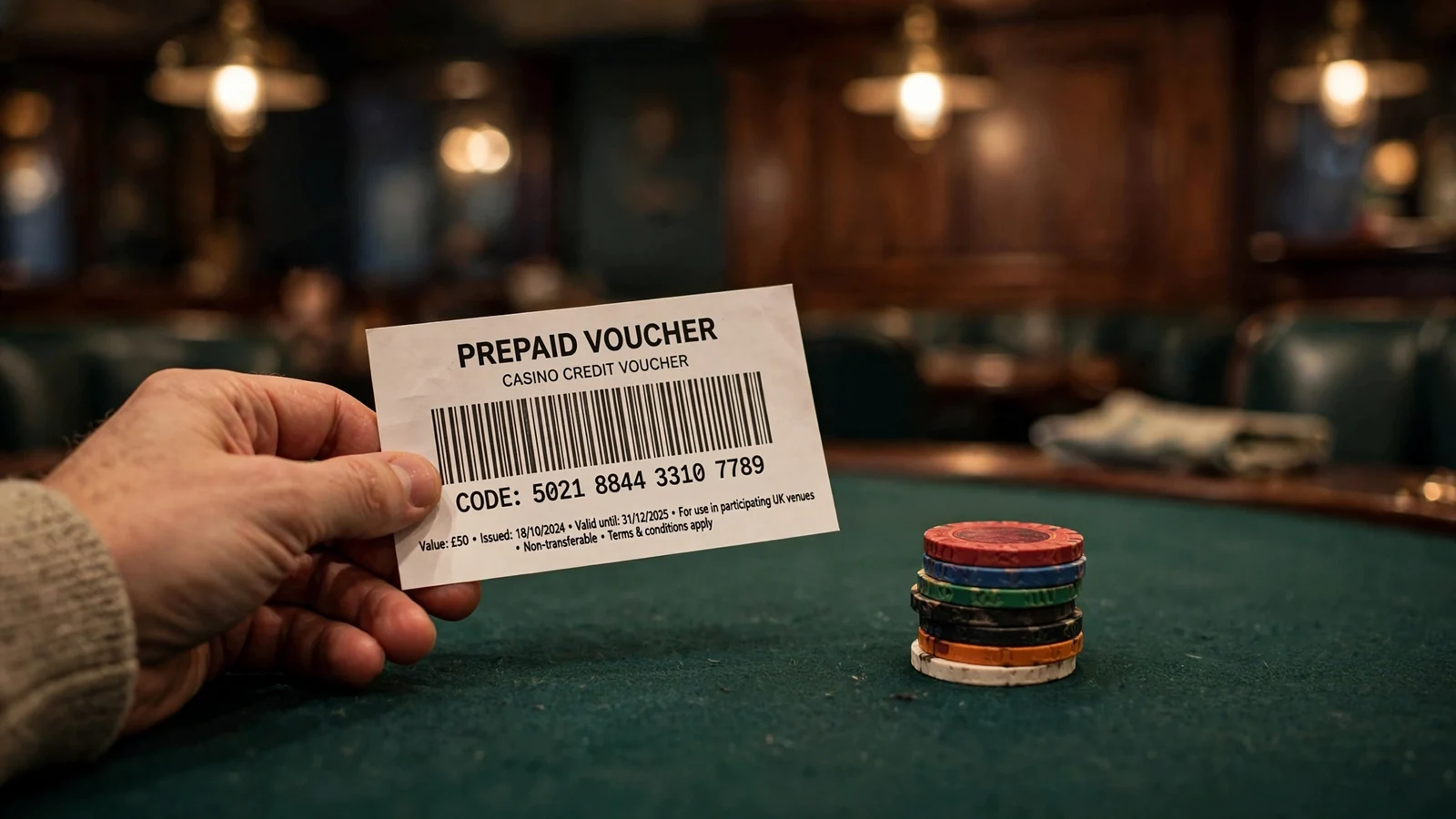
Prepaid vouchers work differently. Paysafecard is a deposit-only voucher, so it is not a complete payment route if you need the same method to handle money coming back. That trade-off is easy to miss when the cashier presents it alongside methods that support more than deposits.
E-wallets such as Skrill and Neteller appear at some sites. A specialist casino review notes that they may be excluded from promotions. Check the specific bonus rules, not just the cashier’s payment list: seeing a method there does not tell you whether a deposit through it counts towards an offer.
Then there is the cost. A specialist payment review points out that charges can come from the casino, payment provider, card issuer or bank, currency conversion, or the payment network. A visible flat fee is only part of the picture; a currency-conversion spread can cost more without looking like a separate charge. There is no single cheapest alternative for every player or transaction. Check the amount you plan to move, the account currency, and the fees shown by each party.

If you want a simple comparison, look at the cashier for methods that support the transaction you need, then read the relevant terms and fee information before confirming. PayPal may suit someone prioritising convenience; a bank route may suit someone who wants a direct account-based option; a voucher may appeal for deposit-only use. None is automatically the best Visa alternative. Check first.
Using the Same Account for Deposits and Payouts
When I first started using online casinos, I treated the cashier like a collection of separate buttons. I’d deposit one way, then assume I could choose whatever suited me when I wanted to move money back. That’s not always how it works. A casino may need to check that the account and payment details belong to the same person before it can process a transaction.
With a Visa deposit, the useful starting point is simple: use a card in your own name and make sure the casino account details match your real information. If the name on the card differs from the one on your account, even for a reason that seems obvious to you, the operator may need to ask questions. That can turn a routine transaction into extra back-and-forth.
Keep it consistent. If you deposit through a named payment route, using that same route for a withdrawal is often the cleanest path, where the casino supports it. This is sometimes described as “seamless” — what it really means is fewer ownership details to reconcile. It does not guarantee that a transaction will be accepted or remove the casino’s checks.
The same principle applies if you use a payment account rather than a card. It should belong to you, not a partner, friend or relative. Borrowing someone else’s payment details can create a mismatch between the casino account holder and the person who supplied the funds. Don’t assume that permission from the other person settles the operator’s requirements.
I’d also avoid switching routes just because another option appears in the cashier. A different named account may be legitimate, but it can bring a fresh ownership check or require you to confirm how it is linked to your casino account. If you need to change methods, check the operator’s instructions first rather than trying several routes and hoping one goes through.
This is basic fraud prevention as well as housekeeping. Remote gambling operators have to establish who they are dealing with, and matching account information with payment details helps reduce avoidable friction. Keep your own details accurate, use a payment route that belongs to you, and follow any request for information through the casino’s official account area.
That’s the boring bit. It matters.
For anyone comparing casinos that accept Visa in the UK, the logo alone tells you little about how your account will be handled after a deposit. Read the cashier’s terms for the route you plan to use, and check what it says about using the same account for deposits and payouts. A consistent setup is not a shortcut around checks; it simply gives the operator fewer basic details to untangle.
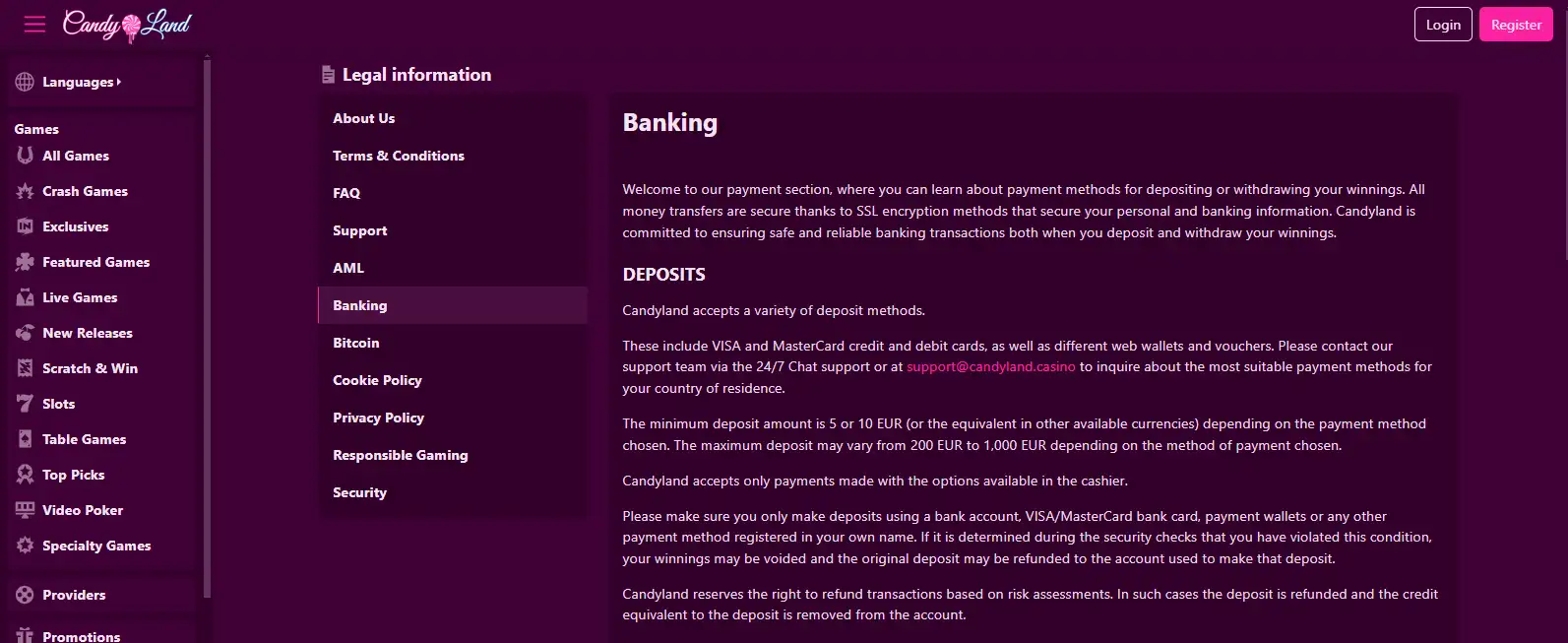
Visa Withdrawals: Why a Fast Deposit Can Still Mean a Wait
A Visa deposit can appear in a casino account quickly, but that does not mean a withdrawal will arrive at the same pace. I used to treat “instant” as if it described the whole journey. It only tells you something about the deposit.
For UK gambling accounts, anti-money-laundering controls generally mean a casino must return funds to the original payment source. So if you deposited with a Visa debit card, the casino may route an eligible payout back to that card. The cashier’s withdrawal options and the casino’s rules determine what is available for your account; the Visa logo alone does not promise that every payout can be sent directly to a card.
There is also a casino-side step before money leaves. A specialist casino review may note that the operator’s approval process and the state of your verification can affect withdrawal speed. That is not a fixed timetable: the casino needs to review the request, and a first withdrawal can take longer while checks are completed. No shortcut. A quick deposit does not skip those checks.
If the casino asks for documents, provide what it requests through its secure account process and make sure the details match your account. Until verification is complete, a withdrawal may remain under review. Keep an eye on the transaction status and any messages from the operator rather than assuming that a submitted request has already been paid.
“Fast withdrawal” is a marketing phrase, not a reliable promise of when funds will reach your bank. The operator’s approval and the card or banking route after approval are separate parts of the process. If the stated timeframe passes, contact the casino and ask whether the request is still being checked or has been sent onward.
I would also separate payment claims from licensing. A casino saying it accepts Visa does not establish that it is authorised to serve customers in Britain. Remote gambling operators selling into the British market must hold the relevant UK Gambling Commission licence. Payment availability is not a substitute for checking that status.
Visa Deposits and Casino Bonuses: Read the Terms First
A Visa deposit and a casino bonus are two separate things. UK casinos commonly accept debit cards, including Visa, but that does not mean every Visa payment qualifies for every promotion. I’ve made the mistake of seeing a bonus banner, depositing, then checking the small print afterwards. The cashier taking the payment is not the same as the offer applying to it.
Before you deposit, read the promotion terms and look for the accepted payment methods and any qualifying-deposit conditions. Check whether you need to opt in, too. If Visa is not listed, or the wording is unclear, ask customer support before moving money. It is a dull check. Less dull than finding out afterwards.
A “no-deposit bonus” is a different offer: by definition, it does not require a deposit to claim it. A Visa card therefore does not make you eligible for one, nor does depositing by Visa turn a deposit offer into a no-deposit offer. Check the offer’s own eligibility rules rather than relying on its headline.
The same applies to claims about a “highest” bonus or a particular Visa minimum deposit. A headline cannot tell you whether your card payment qualifies, and a bonus figure says nothing about the cashier’s current minimum. Check those details in the account and promotion terms before confirming a payment.
Payment-method exclusions can change between offers. A specialist review has reported that PayPal may be excluded from bonus eligibility, but that is not a rule you should assume applies everywhere. Treat the casino’s current terms as the deciding point.
I now separate the questions: can I deposit with Visa, and does this specific offer accept that deposit? One answer does not settle the other. If the promotion’s conditions are vague, pause and get clarification before opting in or depositing.
Visa and Casinos Outside Gamstop: Check the Payment Separately
A casino’s relationship with GamStop does not tell you whether it accepts Visa. Those are separate things: one concerns self-exclusion, while the other is a payment option shown by the casino. I’ve learned not to treat a label as a reliable guide to what will actually appear when I open the cashier.
A specialist casino review may list Visa and Mastercard as payment methods. That is a starting point, not confirmation that Visa is currently available to UK customers or that your particular card product will be accepted. Check the cashier on the casino’s own site before you make a decision. Payment options can differ, and a method mentioned in a review may not be offered for your account.
There is a more important point if you have registered with GamStop or are considering self-exclusion. Looking for casinos outside GamStop, including ones that mention Visa, should not become a way to get around a decision to stop gambling. A card is not a workaround for self-exclusion. If gambling is causing harm, pause rather than searching for another route to deposit.
Nor does a casino being outside GamStop establish that it is authorised to serve people in Britain. Remote gambling operators serving the British market must hold a UK Gambling Commission licence. Check the operator’s regulatory status independently; a payment logo or a claim about GamStop is not proof of a licence.
So, if you are comparing casinos not covered by GamStop, keep the checks separate: confirm the operator’s status, and then see whether Visa appears in its UK cashier for your account. Don’t assume that a site accepts Visa because a review lists it, or that Visa availability says anything about GamStop participation. Two different checks.
Why can a fast-payout casino still delay my withdrawal?
A fast payout still needs the casino’s internal approval, and your first withdrawal may take longer while verification is completed. An unverified account can also slow the process.
Are Visa and Mastercard deposits definitely debit cards?
No. UK casinos commonly accept Visa and Mastercard debit cards, but not every card product is eligible, so check the cashier. Credit card gambling has been banned in the UK since 14 April 2020.
Is Skrill available?
Yes, Skrill is available at some UK-friendly casino sites. It is often excluded from promotions, so check the bonus terms.
Are fast casino withdrawals guaranteed?
No. Withdrawal speed depends on the casino’s approval process and whether your account is fully verified.
Why must withdrawals return to the deposit method?
Returning funds to the original payment source is a common anti-fraud and anti-money-laundering control. Using the same account for deposits and withdrawals can also reduce avoidable transaction delays.
What is the fastest withdrawal method for UK casinos?
PayPal, open banking services and debit cards linked to fast payout systems are generally among the quickest options. The casino’s approval process and your verification status can still affect how quickly you receive the money.
Do UK casino withdrawals require verification?
Yes, verification may be needed, particularly before a first withdrawal. Completing it can help avoid delays to your payout.
What is the current minimum deposit?
The minimum usually starts at £10–£20, depending on the payment method. Check the cashier for the minimum that applies to your account.
Written by the editors at Candyland Casino 1.