Live Dream Catcher Casino UK: What to Know
 Available in GB
The game is streamed from a studio, while bets are placed remotely through the casino interface.
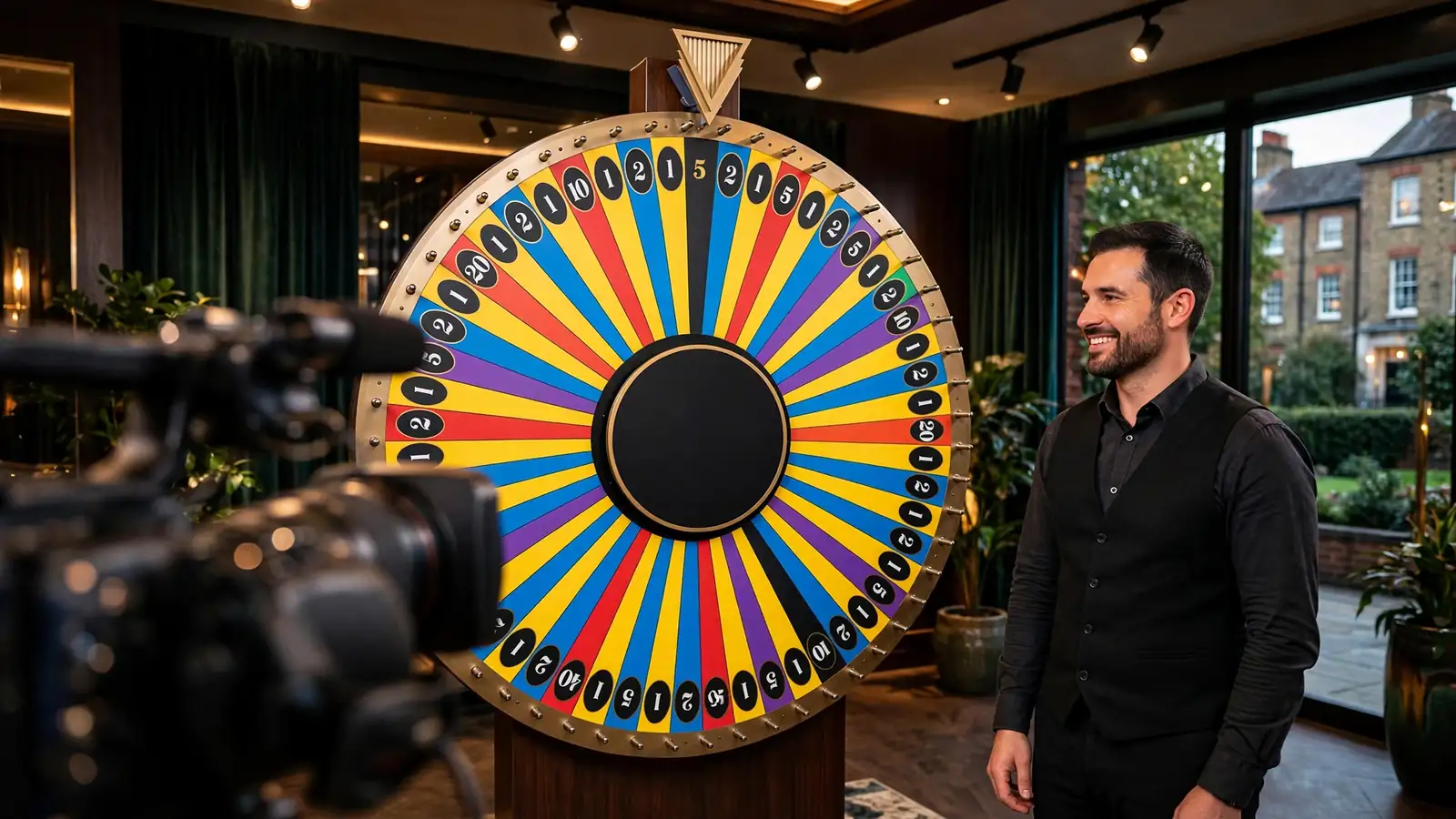
Table of Contents
- What Playing Dream Catcher Live Online Actually Means
- Dream Catcher Live: What You Can Verify Before You Play
- How to Judge a Live Casino Without Trusting the Hype
- Playing the Game: The Live Dealer Format and Its Trade-Offs
- The Wheel: What Roulette Can—and Can’t—Tell You
- Live Casino Sites: Check the Basics Before You Sign Up
- A Demo Won’t Tell You Everything About Live Play
- A Grounded Review of the Live Casino Experience
- Before You Play: Pace, Connection and Limits
- Bonuses and Live Tables: Read the Small Print
What Playing Dream Catcher Live Online Actually Means
When people talk about playing Dream Catcher online in a live casino, they mean joining a streamed casino game rather than opening a fully computer-generated game. A real dealer conducts play in a studio, the action reaches your screen in real time, and you use an on-screen interface to place bets. You are watching a live presentation and making choices through the software; you are not sitting at the studio table.
That distinction is easy to miss when the game is presented alongside digital casino titles. Both may appear in the same lobby, and both are played on a screen, but the experience behind them is different. In a live dealer game, the central event is happening in a studio. The screen carries that event to you, while the interface provides the means to take part remotely.
I used to assume “live” was mostly a label for a more polished animation. It is more literal than that: the game is streamed as it happens, with a human dealer in view. The on-screen controls are still part of the experience, but they do not turn the dealer into a computer animation. Two things at once.
When you’re looking for live Dream Catcher in the UK, payout information is one practical detail to check alongside game availability. This list gives you the stated withdrawal timeframe for each operator.
Payout speed: 1-3 business days Britsino lists a payout speed of 1–3 business days, giving you a stated timeframe to consider.
Payout speed: 1-3 business days x3bet lists payouts at 1–3 business days, a useful detail for your review.
Payout speed: 1-3 business days Revery Play lists a payout speed of 1–3 business days, so you have a stated timeframe to factor in.
Payout speed: 1-3 business days NightWin lists payouts at 1–3 business days, providing one concrete point for your consideration.
Payout speed: 1-3 business days SpinFormula lists a payout speed of 1–3 business days, which you can take into account when reviewing it.
Payout speed: 1-3 business days EvoSpin lists payouts at 1–3 business days, giving you a stated timeframe to check.
Payout speed: 1-3 business days Zombillion lists a payout speed of 1–3 business days, a practical detail for your comparison.
Payout speed: 1-3 business days Dieselwin lists payouts at 1–3 business days, giving you a timeframe to consider.
Payout speed: 1-3 business days SlotoSport lists a payout speed of 1–3 business days, which you can factor into your review.
Payout speed: 1-3 business days BeOnBet lists payouts at 1–3 business days, providing a stated timeframe for your consideration.
What happens on your screen
A live casino session brings together a video stream and a betting interface. You watch the dealer-led game through the stream; you submit your bets using the controls displayed on your device. The studio and your screen are connected in real time, so the dealer’s activity is presented as it unfolds rather than generated as a sequence of animations after you press a button.
That is the basic meaning of “online” here. You do not need to be in the studio to follow the game, and your participation happens through the interface. It can feel familiar if you have used other online casino games, because the screen is still where you make decisions. But the source of the action is different: a human dealer and a live studio rather than a wholly digital presentation.
The interface is the bridge between watching and taking part. You use it to enter a bet, while the stream lets you follow the dealer’s part of the session. The exact arrangement of buttons and information can vary between services and games, so it is better not to assume every live table looks or works identically. The broad format is the useful starting point: studio gameplay on one side, player controls on the other.
What the name does—and does not—tell you
A title such as Dream Catcher can tell you which game someone wants to find, but the words “live” and “online” describe how a casino experience is delivered. They do not, by themselves, explain the game’s rules, the way a round proceeds, or what choices are available. Those details need to be understood from the specific game information shown where it is offered.
That separation matters. I have clicked into games based on a familiar name and then realised I had assumed too much from the label. A live stream tells you that you are watching real-time studio play with a human dealer. It does not tell you every detail of the game itself. Read the game’s own instructions before treating the name as a complete description.
So, if you are looking for a live Dream Catcher experience, the phrase is best understood as a combination of two ideas: the game name you are seeking, and the live-casino format through which play is streamed. The format explains the human dealer, the studio feed and the betting interface. It is not a shortcut to knowing the game’s rules.
Watching is not the same as being at the table
The screen gives you a view of a live session, but you are still participating remotely. Your bets go through the interface; the dealer is physically present in the studio. That arrangement is the defining feature of online live play, not a claim that you can interact with the studio as if you were there in person.
In a live casino session, you are watching a real-time studio stream and interacting through an on-screen interface, but you are participating remotely rather than being physically present at the table.
This can make a live table feel more like a shared event than a solo digital game. You see a person conducting play rather than only symbols or animations. Even so, the experience remains mediated by your device and the software connecting you to the stream. It is worth keeping that simple distinction in mind: live action, remote participation.
For someone searching for a Dream Catcher casino online, that is the practical starting point. You are not downloading a studio or visiting a real casino floor. You are opening a streamed game and using its on-screen controls to take part. The dealer handles the live presentation; you follow it from your screen and place bets through the interface.
The word “live” can sound like a promise of something grand. In plain terms, it means the game is happening in a studio as you watch, with a human dealer, while your participation is handled online. That is the format. The game’s own details are a separate matter.
Dream Catcher Live: What You Can Verify Before You Play
The name can make the game sound familiar before you have even opened a table. I would still separate what “live” tells you from what the title suggests. In a live casino, the established part is the format: gameplay is streamed in real time from a studio, a human dealer runs it, and you place bets through an on-screen interface. That describes how live dealer play works; it does not, by itself, confirm the rules or features of a particular Dream Catcher table.

That distinction matters when you are choosing a live Dream Catcher casino in the UK. A game title is not a rule sheet. It cannot tell you how a round is played, what choices you can make, what the available bets are, or how a result is settled. Those details need to come from the table information and rules shown by the operator before you play. If you cannot find a clear explanation there, do not fill the gaps with assumptions based on the name or on another game you have seen.
What “live” establishes
The word “live” points to a streamed, dealer-led experience rather than a purely digital game. You watch the action as it happens in a studio and use the screen controls to submit your bets. The dealer is a person, while the betting interface is the way you take part remotely.
It is a useful distinction, but a limited one. It does not mean that every game with a live label has the same structure, pace, presentation or betting options. Nor does it establish that a particular table is available at every casino using similar wording. A listing may identify a game, but the table’s own description is where you should look for the practical terms that apply to that version.
I used to treat a confident-looking title as a shortcut: if it sounded like a known format, I assumed I already understood the important bits. That is an easy way to miss the difference between the general live-casino setup and the rules of the specific table. Better to pause and read the table information. Less guesswork.
A game title is not a rule sheet. Do not assume the rules, bets, or payouts based on the name; always verify these details in the table information provided by the operator.
What the title cannot settle
“Dream Catcher” is not enough to work out how play proceeds. Do not infer a wheel layout, round sequence, betting choices, payout terms or special features from the name alone. Those are game-specific matters, and they should be stated in the rules or information supplied for the actual table you are considering.
The same caution applies to presentation. A live studio stream means a dealer is involved in the streamed gameplay; it does not tell you what the camera shows, how the interface is arranged or which tools are available. If a feature matters to you, look for it on the table itself instead of relying on a general description of live casino games.
This is particularly relevant when comparing Dream Catcher casinos. Similar wording on two sites does not prove that their tables have identical rules or conditions. The operator’s game information should make clear which version is being offered and where to read its rules. If the details are vague, that is a reason to hold off, not an invitation to guess.
The UK condition
There is also a straightforward legal point for players in the UK: a live dealer casino must hold a UK Gambling Commission licence to offer legal gambling here. A polished stream or a familiar game name does not replace that requirement. The licence condition applies to the operator, not just to the individual table.
I would treat that as a threshold, not as proof that a particular game suits me. Once the legal condition is met, the table rules still deserve their own attention. Those are separate checks: one concerns whether the operator is licensed for the UK market; the other concerns what you are being asked to play.
Before putting money in, read the rules and paytable for the table you have opened, and set a budget you can stick to. I have learned that vague confidence is not a plan. If the rules do not answer a basic question about how the game works, leave it until they do. This is entertainment, not gambling advice, and no description can promise a result.
How to Judge a Live Casino Without Trusting the Hype
“Best” sounds like a useful shortcut. In practice, it often hides the question that matters: what can you actually verify about the casino, and what is just confident wording on a page? When I see a recommendation for a Dream Catcher table, I try not to let a polished label do the checking for me.
For legal live dealer play in the UK, the operator must hold a UK Gambling Commission licence. That is a starting condition, not a trophy or proof that a particular game is available. It also does not make every claim on a casino’s promotional page automatically reliable. The licence answers one important question about the operator; it does not answer every question about the table you want to play.
That distinction is easy to lose when a page calls itself the best Dream Catcher casino in the UK. The wording may sound like a verdict, but unless the recommendation explains what was checked and when, it tells you little. A ranking can look precise while leaving out the detail you need most: whether the named casino currently offers the specific game to its UK customers.
- Verify the UK Gambling Commission licence
- Check the current availability of the specific game
- Look for evidence of what was checked and when
- Trust a “best” label without a clear basis
- Assume a licensed operator always offers a specific game
- Rely on outdated mentions of game availability
I would want to see a direct, current confirmation before treating a recommendation as useful. A game’s name in a headline is not the same as evidence that it is available once you reach the casino. Nor does an old mention establish that the table remains there. Availability can change, so claims should be checked against the operator’s own current game information rather than repeated because they appear on several pages.
That is where many “top” lists lose me. They may discuss casinos in general, then let the wording imply that each one has the particular live game in question. If that link is not demonstrated, the list cannot safely answer which place is best for Dream Catcher. I would rather see a careful statement of what has been confirmed than a confident order of names with no clear basis.
What a recommendation should prove
First, establish the legal baseline. A UK Gambling Commission licence is required for a live dealer casino to operate legally in the UK. If a recommendation does not make that basic condition clear, I would not treat it as a sound guide to legal play. But licence status alone is not a game directory, and it should not be presented as proof that Dream Catcher is offered.
Next, separate general claims from game-specific ones. “This is a live casino” and “this casino offers the Dream Catcher game” are different statements. A recommendation needs support for the second claim, not just attractive language about the first. If the page gives no way to distinguish them, I would keep looking instead of filling in the gap myself.

Then ask what “best” means in the recommendation. Is it referring to a confirmed game listing, or is it simply a broad opinion about the casino? A useful comparison should make its basis legible. If the criteria are vague, the ranking is not much help to you, even if it looks tidy. I have learned not to mistake confidence for evidence. Nice headline. Thin proof.
There is also a difference between a site being licensed and a site being right for you. The licence is a legal requirement, not a personal endorsement. It cannot tell you whether the specific game is accessible, whether the information you saw is current, or whether the way the site presents itself suits your needs. Those are separate checks, and a single “best” label cannot replace them.
A more honest way to choose
If you are comparing live Dream Catcher casinos, keep the question narrow: can you verify both the operator’s UK Gambling Commission licence and the game’s current availability from dependable, up-to-date information? If either part is unclear, pause before treating the recommendation as settled. That is not being fussy; it is avoiding a decision based on an assumption.
I would also be wary of language that turns a basic condition into a selling point. “Licensed” matters because it is necessary for legal live dealer play in the UK. It does not, by itself, establish that a casino is the best choice or that a particular live game is on its schedule. When a page blurs those points, read the claim literally and look for evidence for each part.
Choosing a Live Casino
- Confirm the operator holds a UK Gambling Commission licence
- Verify the game is currently available in the casino lobby
- Read the specific table rules and paytable
- Set a budget you can stick to
No ranked list can do your judgement for you, and I would not trust one merely because it uses a superlative. The safest recommendation is the one that clearly shows what it has checked, keeps legal status separate from game availability, and does not pretend those checks prove more than they do. If that evidence is missing, there is no honest reason to crown a winner. I’d rather have no winner than a made-up one.
This is entertainment information, not gambling advice. Whatever casino you consider, set a budget before playing and stick to it. A confident recommendation should never talk you into spending more, and a licence should never be confused with a promise of a good outcome.
Playing the Game: The Live Dealer Format and Its Trade-Offs
Playing a live casino game is not quite the same as opening a digital game and tapping through it at your own speed. The action comes from a studio stream, where a human dealer handles the game in real time. You use the on-screen controls to place your bets, then follow what happens on the broadcast. That combination of video and interface is the central difference: you are watching a live process, not simply triggering an instant result on your device.
That can feel more involving. There is a person dealing, and the game unfolds in front of you rather than being presented as a sequence of quick digital animations. But “immersive” is not the same as “better”. A real-time stream has its own rhythm, and you cannot expect every decision or round to be over as quickly as it might be in a digital version.

I had to adjust to that. When you are used to tapping through a game, even a short wait can feel like a delay. In a live table, the dealer-led pace is part of the format. You need time to watch the stream and use the interface, while the game proceeds in real time. If you are looking for rapid, uninterrupted play, that may feel frustrating rather than atmospheric. Slower, plain and simple.
The financial side deserves the same clear-eyed look. Live games have higher minimum bets than digital versions, so the amount needed to join a table can be less flexible. That matters even if you are only curious about how the format feels: a live stream does not automatically mean you can try it at the same stake you would use in a digital game. I would check the minimum shown at the table before joining, then decide whether it fits the budget I set for play. If it does not, I would leave it there. There is no reason to stretch a limit just to sit at a live table.
The stream also depends on your connection. A stable internet connection is needed to follow live gameplay properly. If the video keeps freezing or falling behind, it becomes harder to keep track of the action and use the on-screen controls at the right moment. That is not a special feature of one named game; it is a practical condition of playing through a live broadcast. A patchy connection can turn what should be a straightforward session into a stop-start one.
Live games often have higher minimum bets than digital versions. Check the table’s minimum before joining to ensure it fits your budget.
For someone considering whether to play the Dream Catcher casino game live, these are useful expectations, not a guide to its rules. The live label tells you about the format: a studio stream, a human dealer and bets handled through an interface. It does not tell you what the game’s specific rules are, what a table’s minimum will be, or whether the pace will suit you. Those details need to be checked on the actual game screen before you commit.
I would treat the first visit as a chance to see whether the format works for me, not as a reason to chase the feeling of a real casino. Set a budget before you start, check the table’s displayed terms, and give yourself permission to stop if the pace, connection or minimum does not suit you. The live format can add a human presence, but it also asks for patience and a steadier setup than a quick digital game.
The Wheel: What Roulette Can—and Can’t—Tell You
Roulette is a useful way to understand what a live wheel can look like, but it is only a comparison. I used to see a wheel on screen and assume the game worked like roulette with a different theme. That shortcut tells you almost nothing about the rules.

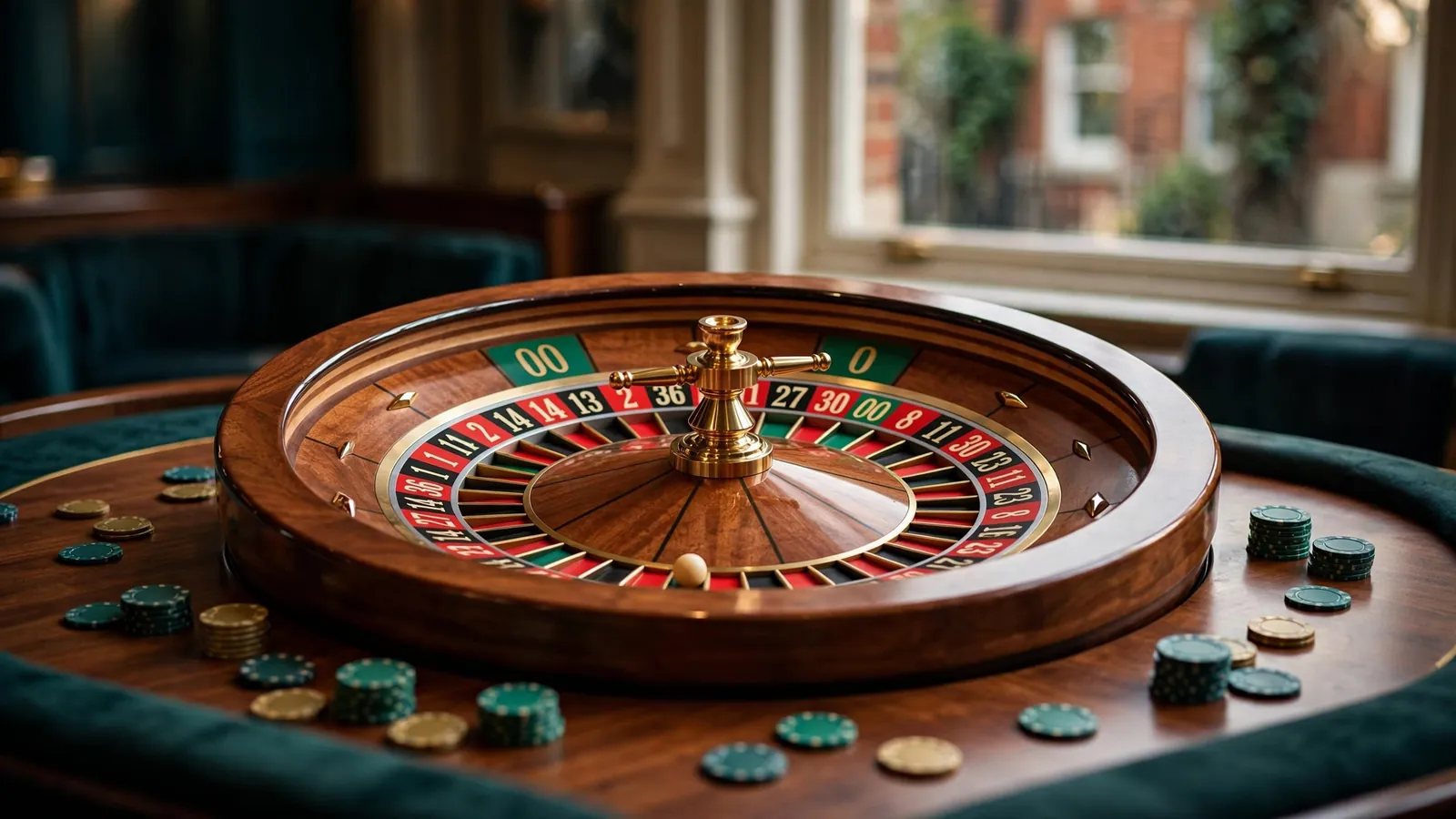
In live roulette, a dealer spins a physical wheel and a ball settles into one of its pockets. Computerised roulette works differently: a Random Number Generator determines the result rather than a live wheel. Both can be shown on a screen, but the visible format is not the same as the mechanism producing the outcome.
The wheel layout matters in roulette. European Roulette has one green pocket, marked 0. American Roulette has two: 0 and 00. That extra pocket changes the chance of a selected number coming up. In European Roulette, a particular number has a one-in-37 chance; in American Roulette, it is one in 38.
Those figures are specific to roulette’s numbered pockets. They are not a general rule for every game involving a wheel. A game may use different symbols, sections, prize categories or ways of settling a result. Unless its rules explain the wheel and the bets, the appearance of a spinning disc is not enough to infer how it works.
That is the distinction to keep in mind when looking at a Dream Catcher live casino wheel. Roulette can help you recognise a physical wheel streamed from a studio, but its layout and odds do not establish Dream Catcher’s rules. Don’t transfer roulette assumptions to another game just because both involve a wheel turning on screen.
I’d start with the game’s own rules and paytable, then check what each available bet means and how a result is decided. If those details are unclear, I wouldn’t fill the gaps with what I know about roulette. Similar-looking equipment can conceal very different play.
While both use a spinning wheel, the layout and odds of a game like Dream Catcher are distinct from roulette. Do not transfer roulette assumptions to other wheel-based games.
And a familiar wheel is not a promise of better chances. In roulette, even the difference between one and two green pockets affects the odds; in another game, the relevant details may be entirely different. The title, graphics and dealer presentation cannot answer those questions for you.
Small distinction. Big difference.
This is for entertainment only, not gambling advice. Set a budget before playing, and stick to it.
Live Casino Sites: Check the Basics Before You Sign Up
When I’m looking at a live casino site, I start with the part that matters more than the banner: whether the operator holds a UK Gambling Commission licence. Live dealer casinos are legal in the UK when they have that licence. A polished page or a familiar game name is not a substitute for checking who is providing the service.
Look for the operator’s licensing information on the site, then confirm it through the UK Gambling Commission’s public register. The name shown there should match the company running the casino, not just a brand name that appears in an advert. If the details are hard to find or do not line up, I would pause rather than assume everything is in order. No need to rush.
The next basic check is what “live” actually means. A live dealer game sends real-time video from a studio, where a human dealer runs the game. You make selections and place bets through controls on the screen; the stream and interface work together. That is different from a digital game generated entirely by software, even if both appear in the same casino lobby.

For a search centred on Dream Catcher, make sure the site’s own lobby identifies the game as a live dealer table before you create an account or deposit. A game title in a promotional image does not tell you what format is available when you arrive. Check the actual listing and the table screen, and read the information shown there. I have learned not to treat a glossy tile as proof.
Do not let a live video feed do all the reassuring for you. It tells you that you are watching a dealer, but it does not establish that the operator is licensed. Check the licence separately. And before any real-money play, set a budget you can stick to; do not use a credit card to gamble.
A few basic checks beat a confident slogan. This is entertainment information, not gambling advice.
A Demo Won’t Tell You Everything About Live Play
A demo can help you get a feel for an on-screen layout, but it is a poor stand-in for the live experience. That matters if you are looking at a Dream Catcher demo and expecting it to show exactly how the live version will feel. It cannot tell you how you will respond to a real-time table, or whether the pace suits you.
Digital games move more quickly than live games. In a live session, you are following a dealer-led game as it happens, rather than watching a digital version move through its own sequence. That difference can make the live table feel slower, even if the demo seemed brisk. A few minutes with a demo is useful for getting oriented. It is not a reliable preview of the rhythm of live play.
Why a demo is limited
A demo cannot simulate the real-time rhythm of a dealer-led game, the specific minimum bet requirements of a live table, or the impact of your internet connection stability on a live stream.
The money side is different, too. A demo does not use your cash and does not produce real payouts. It also cannot show whether the live table’s minimum bet fits what you are comfortable risking: live games can have higher minimum bets than digital versions. I once treated a practice mode as if it answered the important questions. It did not. It only showed me the interface.
And a demo cannot reproduce the connection demands of a live stream. Live play needs a stable internet connection; if yours is unreliable, the experience can be interrupted or frustrating in a way that a digital demo may not reveal. A smooth run in practice is no guarantee that your connection will hold up during live play.
So, use a Dream Catcher live casino demo as a basic orientation tool, not a promise of the same pace, conditions or outcome. Check what the live table actually offers before committing money, and set a budget you can stick to. I would rather find out that the format is not for me before depositing than mistake a demo for a rehearsal with real stakes.
This is entertainment, not gambling advice. A demo can help you look around. It cannot remove the difference between practice and live play.
A Grounded Review of the Live Casino Experience
A useful review of a live casino starts with what you can actually observe, not words like “immersive” or “premium”. The basic format is straightforward: a studio streams a human dealer in real time, while you make your bets through controls on screen. That gives you a live table experience, but the stream and interface are still doing the work between you and the game.
When I assess the experience, I separate the parts that are visible from the claims wrapped around them. Can you follow what the dealer is doing? Is the on-screen interface clear enough to place a bet without fumbling? Does the stream stay stable on your connection? Those are practical questions. Calling a table “exciting” tells you less.
There is a trade-off. A live game moves more slowly than a digital version because the dealer runs the action in real time. You have less of that instant, tap-and-go rhythm. Minimum bets are also higher than on digital games, so the pace and cost can feel different before you have settled in. I used to read “live” as a simple upgrade. It isn’t. Different feel, different demands.
Connection quality matters, too. A shaky stream can make it harder to follow the action, so a reliable internet connection is part of the experience, not a minor technical extra. If the picture stalls or the controls lag, the studio setting cannot make that feel smooth.
For a Dream Catcher live casino review, I would keep the same distinction in view: a review of live play can describe the streamed dealer format and the way it feels to use, but that alone does not confirm the particular game’s rules, features or availability. Don’t let general praise for live tables stand in for details about a specific game.
Judging the Live Experience
- Prioritize practical factors like stream stability and interface clarity over promotional adjectives
- Account for the slower, real-time pace of human dealers compared to digital games
- Be mindful of higher minimum bets associated with live tables
- Separate the general live format from the specific rules of the game
My own mistake has been treating polished presentation as proof that a game would suit me. The better test is simpler: does the stream let you follow the action, does the interface make your choices clear, and are you comfortable with the slower pace and higher minimums? If not, the studio atmosphere won’t fix it. Judge the experience, not the sales pitch.
Before You Play: Pace, Connection and Limits
If you’re planning to play Dream Catcher live, allow for a different rhythm from a digital game. A live table runs in real time, so you wait for the action to unfold rather than moving through rounds at the speed of a tap. That can feel more involving, but it also means a session may take longer than you expect.
I’ve made the mistake of treating a live table like a quick game on my phone. It isn’t. The dealer-led pace gives you less control over how quickly things move, so decide how long you want to play before joining and stick to that plan. Set a budget too. When the game feels lively, it’s easy to lose track of the time and money passing.
Check the minimum bet before you sit down. Live games can have higher minimums than digital versions, which may change how much of your budget each round takes. If the stated minimum does not suit your limit, leave the table rather than stretching your plan to fit it.
Your connection matters as well. A stable internet connection is needed for the stream and the on-screen betting interface to work smoothly. If your connection keeps dropping, the live format can become frustrating and make it harder to follow what is happening. I’d sort out any obvious connection trouble before starting, not halfway through a round.
None of this is complicated, but it is easy to overlook when you are focused on getting into the game. Slower pace, a higher entry point, and a stream that depends on your connection: that is the practical setup to account for. If it does not suit your time, budget or internet, waiting is a better call than forcing it.
Bonuses and Live Tables: Read the Small Print
A welcome offer can look useful until you try to use it on a live table. I’ve made that mistake: I saw a bonus figure and assumed it would help fund the games I actually wanted to play. The terms told a different story.
Live games may count for only a small share of wagering requirements. A stated example is 10% weighting, meaning eligible live-table stakes contribute less towards clearing the offer than a game with full weighting. The exact treatment depends on the promotion, so don’t assume a Dream Catcher table qualifies, or that playing there will make a bonus easier to clear. Check the game list and the weighting rules before opting in.
There is another catch with the format of the offer. A specialist review describes most UK welcome offers as free spins for slots, which cannot be used at live tables. That is a description from a review, not a promise that every current promotion follows the same pattern. Still, if you are looking for a live game, a slot-focused bonus may have little practical value to you.
Read the full terms, not just the headline. Check which games count, how much they contribute, and whether a maximum bet applies while the bonus is active. Also look for any wagering requirement attached to bonus funds or winnings. If the rules are hard to find or unclear, I’d leave the offer alone rather than guess and risk having a balance voided.
A bonus is not extra cash without conditions. It is a set of rules attached to play. Decide whether those rules suit your plans before you accept anything. Set a budget first, and don’t chase losses or winnings to clear an offer. This is entertainment, not gambling advice.
What are the different types of roulette you can play with a live dealer?
Live roulette includes European, American and French variants. American Roulette has both 0 and 00, while European Roulette has only 0.
How do you play live roulette?
You place bets using the on-screen controls, then watch a live dealer spin a physical wheel. You win when the ball lands on a number you selected.
Which single rule has the biggest effect on house edge?
The French Roulette rule for even-money bets reduces the house edge: if the ball lands on zero, you lose only half your bet.
How can you win live dealer roulette?
You win when the ball lands on a number covered by one of your bets. Roulette still has a house edge, so no staking system guarantees a win.
How do you choose a live dealer casino?
In the UK, choose a casino that holds a UK Gambling Commission licence. Live play also requires a stable internet connection.
Is the house edge the same for every live roulette bet?
No. Straight-up bets have a 2.9% house edge, while other bets have a 2.7% house edge.
Written by the editors at Candyland Casino 1.