Online Casinos That Accept SMS Deposits: Boku
 Available in GB
Boku deposits start in the casino cashier, where an SMS code verifies the mobile number and helps confirm the payment.

Table of Contents
- What a Pay-by-SMS Casino Deposit Actually Does
- Why Fewer UK Casinos Still Take Boku
- The Limits That Can Catch You Out
- Before You Trust a Casino’s ‘Safe’ Payment Option
- Where the Charge Shows Up on Your Phone Bill
- Does Your Mobile Network Support Pay by Phone?
- Bonuses and SMS Deposits: Read the Terms First
- When a Casino Replaces Boku with Another Mobile Option
- Boku Is for Deposits, Not Withdrawals
- SMS Deposits and Slot Play: Keep the Two Limits Separate
What a Pay-by-SMS Casino Deposit Actually Does
Pay by SMS sounds as if you send a text saying how much you want to gamble. That is not the basic Boku process. You start inside the casino account, choose Boku in the cashier, enter a deposit amount and provide your mobile number. The text message comes afterwards, as part of confirming the payment.
That order matters. The casino cashier begins the transaction; the SMS is used to verify it. You are not simply texting the casino and hoping the money turns up.
From cashier to confirmation
First, open the cashier while signed in and look for Boku among the available deposit methods. If it is offered, select it and enter the amount you want to deposit. The cashier then asks for the mobile number associated with the payment. Take a moment to check the number before continuing: a typo can stop the verification message reaching you.
Boku sends an SMS verification code to that number. Enter the code where the payment process requests it, then follow the confirmation prompt. The code is the step that links the transaction to the phone number you supplied. Without completing that verification, the payment has not gone through the full confirmation process.
If you’re looking for an online casino that accepts SMS deposits, check the payment details carefully before choosing. This list gives you the payout-speed information available for each operator.
Payout speed: 1-3 business days You can expect payouts in 1–3 business days. No further details about SMS deposits are available here.
Payout speed: 1-3 business days Payouts are listed as taking 1–3 business days. The available information does not specify SMS deposit options.
Payout speed: 1-3 business days You can expect payouts in 1–3 business days. Check the operator’s payment details for information about SMS deposits.
Payout speed: 1-3 business days Payout speed is listed as 1–3 business days. No SMS deposit details are provided.
Payout speed: 1-3 business days You can expect payouts in 1–3 business days. The available information does not confirm which deposit methods are accepted.
Payout speed: 1-3 business days Payouts are listed as taking 1–3 business days. SMS deposit availability is not specified.
Payout speed: 1-3 business days You can expect payouts in 1–3 business days. No further payment details, including SMS deposit information, are available here.
Payout speed: 1-3 business days Payout speed is listed as 1–3 business days. Check directly for details about SMS deposits.
Payout speed: 1-3 business days You can expect payouts in 1–3 business days. The available information does not say whether SMS deposits are accepted.
Payout speed: 1-3 business days Payouts are listed as taking 1–3 business days. No details about SMS deposits are provided.
I would not rush through the screens just because the method is called “instant” or “simple”. Those are sales words; the useful thing to know is what you are being asked to do. Choose Boku, give the amount and number, receive the code, and confirm. If a screen shows a different method or asks for details that do not fit that sequence, stop and read it rather than assuming it is the same payment flow.
The cashier should also make the amount and payment method clear before you confirm. Check those details on screen. A text code is not a substitute for checking the transaction itself.
What amount can you enter?
There is a qualification around the amounts. A specialist review describes Boku deposits as restricted to sums divisible by ten, with £10, £20 and £30 given as examples. Treat that as a reported description of the payment option, not a promise that every casino’s cashier will present identical choices. The available amount is something to check in the cashier you are actually using.
If the amount you want is not offered, do not assume that typing it into a box will make the transaction acceptable. The casino’s payment screen may restrict the choices or reject an amount that does not fit its available options. Follow what the cashier displays before moving on to the text confirmation.
This is the practical distinction between a casino that mentions Boku somewhere on its payment page and a cashier that lets you complete a Boku deposit. The method has to be available for your account at the point you are paying. Then the amount, phone number and SMS confirmation all have to line up.
If the text does not arrive
The verification message is part of the flow, so do not treat a missing SMS as confirmation. Check that you entered the correct number and give the payment screen a careful read before trying again. If the cashier offers a way to request another code, use the on-screen instructions rather than starting several separate deposits. If it does not, contact the casino through its support route and explain where the process stopped.
Likewise, if you receive a code but the cashier does not accept it, avoid guessing or repeatedly submitting it. The point of the code is to confirm the transaction tied to your number. Follow the message and screen prompts as they appear; do not share the code with someone who contacts you outside the payment flow.
A completed text confirmation is not the same thing as a general promise that every deposit will work. The Boku option must be present in the cashier, the amount must be accepted there, and the verification step must be completed. If one of those pieces is missing, the deposit process is not finished.
Boku Deposit Process
Open the casino cashier while signed in, select Boku, and enter the amount you wish to deposit.
Provide the mobile number associated with your payment account.
Receive an SMS verification code on your phone and enter it into the payment process.
Follow the final confirmation prompt on the screen to complete the transaction.
That is the whole mechanic, without the marketing gloss: choose Boku in the casino cashier, enter an available amount and your mobile number, then confirm with the SMS code. Check what the cashier displays before you authorise anything. No mystery.
Why Fewer UK Casinos Still Take Boku
Finding a casino that takes Boku is harder than it was. A small number of UK Gambling Commission-licensed casinos still accept it, but the set has been shrinking since 2023. So if you remember seeing Boku in a cashier and cannot find it now, that change is part of a wider retreat rather than proof that you have missed a setting.
There has not been a UK Gambling Commission rule banning Boku by name. The change has come from operators deciding whether to keep offering it. Boku has been dropped by some casinos because of compliance risk, while others have moved to a different Pay by Phone provider or removed phone payments altogether. Those are separate decisions, but they have the same effect for you: a method that once seemed easy to find may no longer appear at the casino you use.
I used to treat payment logos as if they were permanent fixtures. They are not. A casino can change its available methods, and a name that appears in an older review or forum post may no longer match the cashier today. A specialist review’s snapshot of Boku casinos is just that: a snapshot, not a promise that every named operator still supports it. Check the payment options shown by the casino itself before you plan around Boku.

That distinction matters because “SMS deposit casino” can describe two different things. Some sites mean a direct Boku payment. Others use Pay by Phone through another provider, or no longer offer a mobile payment route at all. The broad label may sound unchanged, while the underlying service has shifted. If you specifically want Boku, a casino accepting another phone-payment provider is not the same thing.
Operators have taken different paths. Since 2023, some have replaced Boku with services such as Fonix or Siru Mobile; others have removed Pay by Phone options. It is not a uniform industry switch in which every casino moved to the same provider. Nor does the presence of a mobile-payment option establish that Boku itself is accepted. The cashier’s current list is the useful distinction.
The commercial decision belongs to each operator. The regulator has not announced a Boku-specific prohibition, but a casino may still decide that continuing to offer it is not worth the compliance risk. That means availability can narrow without a single market-wide shutdown. From the player’s side, it can feel abrupt: one visit the option is there, and later it is gone. Not much warning.
This is also why old lists of casinos that accept pay by SMS can be misleading. A list may combine direct Boku with other Pay by Phone services, or describe an operator’s payment menu at the time it was checked. If you are comparing names, look for a clear statement that the casino accepts Boku specifically, rather than assuming every reference to phone billing means the same thing. Then confirm it at the operator’s own cashier.
Since 2023, some UK casinos have replaced Boku with alternative Pay by Phone services such as Fonix or Siru Mobile, or have removed mobile payment options entirely.
The remaining direct-Boku casinos are a small, identifiable group, according to a specialist review’s account of the market. That wording matters: it describes a changing selection, not a permanent directory. BoyleSports has also been reported as adding Boku as a UK-based payment option, but even an addition at one operator does not reverse the broader reduction in availability. Operators can make different decisions at different times.
I would not read the decline as evidence that Pay by Phone has vanished from UK gambling altogether. Boku is one service, not a synonym for every mobile-payment arrangement. Some operators have shifted to alternatives, and some have stopped offering this type of payment. For someone searching specifically for Boku, however, those alternatives do not solve the same problem; they simply show how the market has changed.
The practical takeaway is modest: expect fewer direct Boku choices than older pages may suggest, and distinguish Boku from other phone-payment services. There is no single regulator-ordered cut-off date to look for. The pattern is a series of operator decisions, with some replacements and some removals, so a recent check of the casino’s own payment menu is more useful than relying on a list that may have been accurate when it was first published.

The Limits That Can Catch You Out
A Boku deposit can be blocked by more than one ceiling. The casino may set an amount it will accept, while the mobile network can apply its own limit to payments made through your phone account. If you use pay-as-you-go, your available credit adds another constraint. I used to look only at the amount shown in the casino cashier. That is not the whole picture.
The published figures are not consistent. One specialist casino review describes £30 as the standard maximum for a single Boku deposit in the UK, with some casinos or network operators permitting £40 or £50. Other descriptions put the transaction figure at about £10 and the network’s daily limit at £30. A separate version gives a £30 daily ceiling but does not specify any cap per transaction. Those accounts cannot all describe one fixed limit. Treat them as differing reports, not a promise that your own account will accept any particular amount.
That distinction matters when you are deciding what to enter. A casino’s cashier might display an amount that looks acceptable, yet the network could decline it because of its own rules or because you have already used some of its allowance. Conversely, an amount mentioned in a review is not proof that every operator or network supports it. The figures can vary with the service available to you and may change, so check the amount shown in your casino account and any information your mobile operator provides.
Limit Variance
Deposit limits are not universal; they can be restricted by the casino’s rules, your mobile network’s daily cap, or your available PAYG credit balance.
Transaction limit and daily limit are different
A transaction limit applies to one deposit. A daily limit concerns the total you can put through the payment service over the relevant day. If a report describes a per-transaction cap, that does not tell you the daily cap; if it gives a daily figure, it does not automatically establish how much one payment can be. I would not assume that splitting a deposit into several smaller payments gets around a daily limit. If the network applies a total allowance, the amount already used can still matter.
Reports specifically disagree about whether there is a defined per-payment maximum of about £10 alongside a £30 daily limit, or whether the supported detail is a daily limit of £30 with no per-payment cap specified. The disagreement is worth keeping in view rather than picking whichever figure sounds more useful. A casino may show its own permitted deposit amounts, but that alone does not settle what the mobile network will authorise.
Some accounts also describe £30 as the standard maximum for one payment, with £40 or £50 possible in certain cases. Again, that is a reported range of arrangements, not a universal allowance. If your cashier offers a smaller amount than a review mentions, the cashier’s current options are the relevant ones for that account. If it offers more, the network may still refuse the charge.
PAYG credit is a hard ceiling
For pay-as-you-go customers, the available phone balance can determine whether a deposit is possible at all. A specialist payment guide describes Boku payments on prepaid plans as being taken from the remaining balance, with a payment declined if that balance cannot cover it. In practical terms, you cannot rely on a stated deposit limit if your available credit is lower. The network allowance and your balance are separate checks; satisfying one does not mean you have satisfied the other.
That is easy to miss if you think of the amount in the cashier as money already ready to spend. On PAYG, a deposit could fit within the casino’s stated range and still fail because the phone account does not have enough credit left. The amount available to use is not necessarily the amount you remember adding to the phone: what matters is the balance remaining when the payment is attempted.
Who applies the daily cap?
A specialist review attributes Boku’s daily limit to the mobile operator rather than the casino. That helps explain why the same casino deposit option may not produce the same result for every customer. The casino controls what it makes available in its cashier; the network controls whether a phone-billed or prepaid payment clears under its own allowance. The limit you encounter can therefore depend on both sides, rather than on a single casino-wide figure.
If a deposit is declined, changing the amount might help only if the issue is the amount of that individual payment. It will not resolve an exhausted daily allowance or insufficient PAYG balance. Check which restriction is likely to apply before repeatedly trying different amounts. A declined attempt is not a reliable way to discover the full limit, and the figures quoted in reviews should not be treated as a guarantee for your account.
- Check the cashier for current available amounts
- Verify your network’s daily allowance
- Monitor your remaining PAYG balance
- Rely on figures quoted in general reviews
- Assume a casino limit equals a network limit
- Repeatedly try different amounts after a decline
The cautious approach is to regard the cashier’s displayed options as the casino’s side of the calculation, then account for the network’s reported limits and, on PAYG, the balance available on your phone. With Boku, the limiting figure may be lower than the headline amount. That is the bit that catches people out.
Before You Trust a Casino’s ‘Safe’ Payment Option
A familiar payment logo can make a casino feel more trustworthy than it is. I’ve made that mistake: treated a working deposit option as a shortcut to judging the whole site. Pay by Phone is only a way to fund an account. It does not tell you whether the operator is properly licensed or whether its safeguards are any good.
Before putting money in, look up the casino on the UK Gambling Commission’s public register and check that its operating licence is current. The Commission regulates commercial gambling in Great Britain and issues operating licences to businesses. A remote operator must hold the relevant licence when offering gambling to consumers in Great Britain; where its servers or other key equipment sit does not remove that requirement. The Commission is the sole regulator for commercial gambling there.
That distinction matters. A site can look polished, offer a payment method you recognise and still not be authorised to serve customers in Great Britain. Check the operator’s legal name and licence details against the register rather than relying on a badge in the footer. A badge is a claim. The register is the check.

Age verification is another basic safeguard, not a box to wave away. Operators must verify a customer’s age before allowing a deposit into a gambling account. Online gambling is legal in the UK for people aged eighteen or over when the operator holds a UK Gambling Commission licence. If a site lets you fund an account before checking your age, I would stop there rather than assume the paperwork will sort itself out later.
Then look at the account controls before you deposit. Remote operators must prompt new customers to set a financial limit before their first deposit and make account-level limit controls accessible. Take that prompt seriously. Set a figure you can afford to lose, and make sure you can find the controls again when you want to change them. I used to click through these screens just to get to the games. That was not clever. It was avoidable.
A limit is useful only if you understand what it applies to and can manage it without hunting through menus. If the controls are hard to find, or the site’s instructions are unclear, treat that as a reason to pause. You are not being difficult by checking how the account is managed before funding it.
There are protections beyond the cashier, too. UKGC-licensed casinos must provide responsible-gambling tools, including self-exclusion. They must also offer an internal complaints process and access to an approved Alternative Dispute Resolution service. Those protections do not make gambling risk-free, and they do not turn a payment method into a safety guarantee. They do give you formal routes to use if something goes wrong.
Safety Check
- Verify the casino licence on the UK Gambling Commission register
- Complete age verification before depositing
- Set a financial limit on your account
- Confirm access to responsible gambling and self-exclusion tools
So when you compare casinos that take SMS deposits, start with the operator, not the payment button. Confirm the licence, make sure age checks happen before deposits, and set your account limit before you play. A quick check first. Much better than regret later.
Where the Charge Shows Up on Your Phone Bill
With Boku, the casino deposit is billed through your mobile account rather than appearing as a card payment or bank transfer. The exact place you see it depends on how your phone plan is set up: it may be added to your monthly mobile bill, or taken from the credit on a pay-as-you-go (PAYG) phone.
If you’re on a monthly plan, the amount is added to the bill from your mobile provider. It sits with your other phone charges, so it may not look like a separate casino card transaction. When the bill arrives, check the itemised charges if you want to identify what contributed to the total. I used to scan only the headline amount and assume every extra was a call or data charge. Not always.
For a PAYG plan, there’s no monthly invoice to wait for: the deposit comes out of your available phone credit. If the balance can’t cover it, the payment can be declined. That’s easy to miss when you’re thinking in terms of your casino balance rather than your phone account. Your gambling funds and your mobile credit are separate pots.
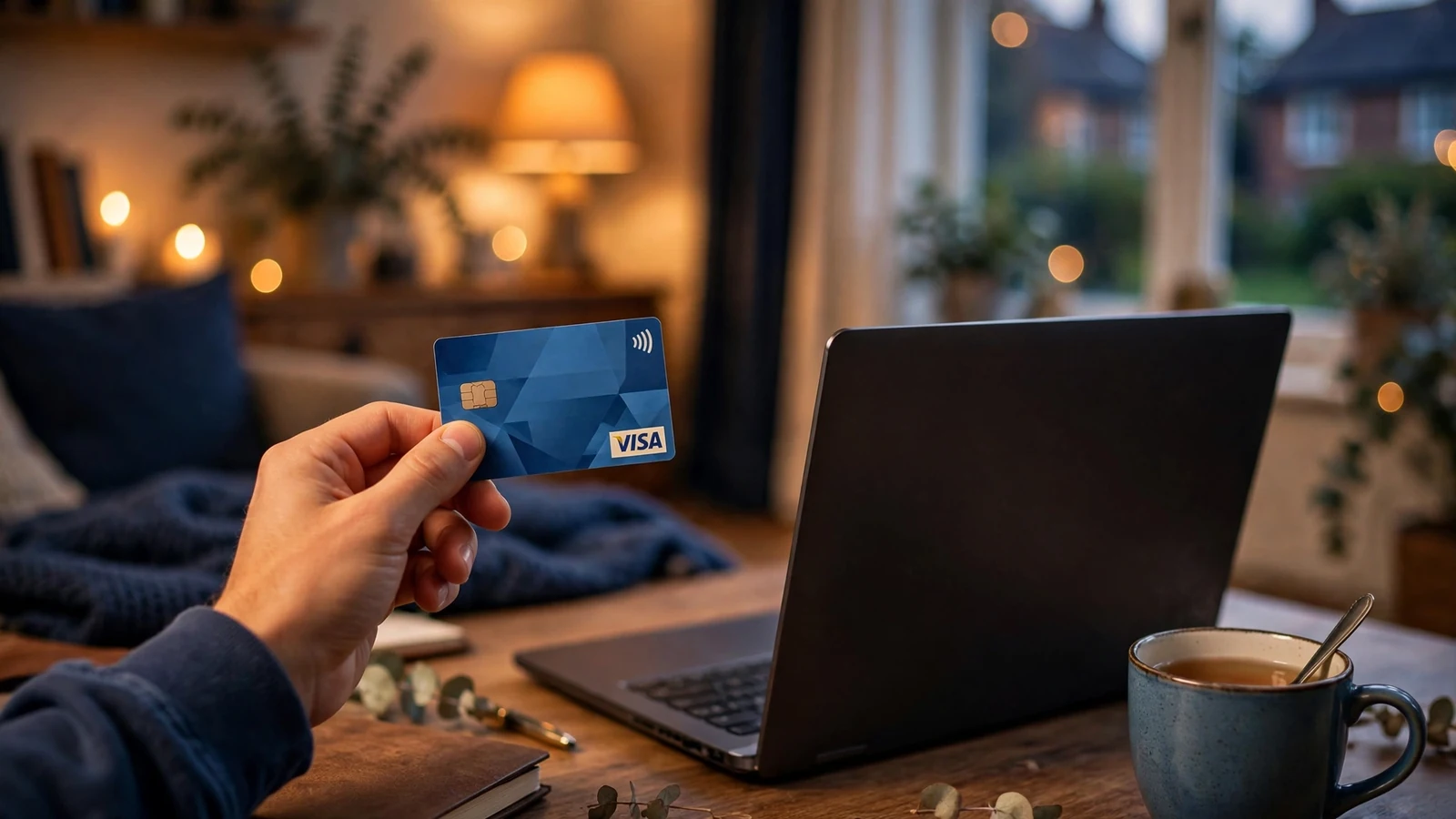
That’s the practical meaning of SMS billing at a casino: the payment is routed to the phone account associated with the number you provide. It isn’t a text message that creates a new balance on its own. Boku charges the deposit through your mobile provider, with the route depending on whether you pay monthly or use PAYG.
Before choosing Pay by Phone, I’d check which mobile account is attached to the number in your hand. A family plan, a work phone, or a SIM you rarely use can make the charge land somewhere you don’t expect. The person who checks the bill may not be the person who made the deposit. Awkward, quickly.
Keep an eye on your phone account after depositing, especially if you share the plan or manage a tight monthly budget. A charge routed through your mobile bill is still money spent, even if you didn’t type card details or open a banking app. For PAYG, checking the remaining credit afterwards gives you a clearer picture of what is left for calls and other phone use.
So the key distinction is simple: monthly-billed customers see the cost on their mobile bill; PAYG customers lose the equivalent from their prepaid credit. Neither route turns the deposit into free phone credit or hides its cost. Know which account will carry it before you confirm.
How charges appear on your bill
If you are on a monthly plan, the deposit is added to your monthly mobile bill as an itemised charge. For PAYG customers, the amount is deducted immediately from the available phone credit balance.
Does Your Mobile Network Support Pay by Phone?
Before trying a mobile casino deposit by SMS, check that your phone network supports Pay by Phone. EE, O2, Vodafone and Three support Pay by Phone and Fonix. If you use one of these networks, the provider itself is compatible with these services; the casino still needs to offer the particular payment option you want to use.
That distinction caught me out once. I saw a phone-payment button and assumed my network was the problem when it wasn’t. Network support does not mean every casino offers every mobile payment service. Pay by Phone and Fonix are separate options, so check the cashier for the name of the method rather than treating them as interchangeable.
What to check before you try
First, identify the network your mobile service uses. Then look at the casino’s cashier and see whether it lists Pay by Phone or Fonix. If the option is there and you use EE, O2, Vodafone or Three, your network is among those that support the service. If the cashier lists a different provider or payment method, network compatibility alone will not make that option appear.
A failed attempt can have more than one explanation, so don’t immediately blame the casino or your phone. Confirm the network and the payment option separately. I find that small check saves a pointless round of entering details only to discover I was looking for the wrong method.
Also make sure you are checking the payment options shown for your own account. A cashier is more useful than a generic mention of mobile deposits on a casino page: it shows what that operator actually makes available to you. No button, no route through that cashier.

Keep the provider names straight
“Mobile deposit” sounds like one category, but the label can hide different services. Pay by Phone is the term to look for when checking that route; Fonix is another supported service, not a different name for the same button. The supported networks are EE, O2, Vodafone and Three for both.
If your network is not one of those four, don’t assume it will work just because the casino accepts mobile payments in general. Check the cashier or ask the operator which networks its displayed option accepts. That is more reliable than choosing a casino based on a broad “SMS deposit” claim.
For a mobile casino deposit by SMS in the UK, the useful first check is simple: match the payment option in the cashier to your network. The right network is only one part of the match. You also need the casino to show that specific service. No guesswork needed.
Bonuses and SMS Deposits: Read the Terms First
A Pay by Phone deposit can reach your casino balance without qualifying for its welcome offer. Operators set their own bonus rules, and a payment method that works for depositing is not automatically eligible for promotions. I have learned not to treat the cashier’s payment options as a promise about the offer. Check the bonus terms before paying.
A specialist casino review reports that eligibility differs between operators. It identifies MrQ, Duelz, Mr Vegas and Videoslots as accepting Pay by Phone deposits towards bonus eligibility. Treat that as a useful lead, not a substitute for checking the current offer on the casino’s own site: terms can vary by promotion.
Attention Not all Pay by Phone deposits qualify for welcome bonuses; always check the specific bonus terms and excluded payment methods before depositing.
The advertised match is only one part of the deal. A specialist review describes a common UK welcome offer as matching a deposit pound for pound, with a ceiling of £100, then requiring the bonus balance to be wagered 35 times. That requirement can make a headline offer less attractive than it first looks. Read the conditions for which games count and whether the Pay by Phone route is excluded.
Expiry dates matter too. The same type of review reports bonus funds expiring within 30 days and free spins within 72 hours. Those are reported terms, not a guarantee that every casino or promotion uses the same clock. Check when the period starts and what you need to do before it runs out.
If the payment method is excluded, depositing first and asking later may leave you with no welcome bonus. If it is eligible, make sure the promotion is actually attached to your account and that you understand its wagering and expiry conditions before you accept it.
Read the small print. It counts.
When a Casino Replaces Boku with Another Mobile Option
A casino can still offer Pay by Phone without offering Boku. The name in the cashier matters: a different provider may handle the charge, so searching for a Boku button alone can make an available phone-payment route easy to miss.
Since 2023, operators have moved away from direct Boku payments, with some switching to services such as Fonix or Siru Mobile and others dropping phone payments. The change is not just a new label for the same option. Check which provider the casino actually lists before assuming your preferred method will work there.
A specialist review identifies MrQ and Duelz as casinos accepting Fonix, and Mr Vegas and Videoslots as accepting Siru Mobile. Treat those examples as a snapshot, not a permanent promise: cashiers and payment arrangements can change. I would check the operator’s own cashier before registering around a particular method. Small step, worth it.
The distinction also matters if you are looking for an SMS casino that accepts your mobile-payment preference. A result saying “Pay by Phone” may refer to a provider other than Boku; the operator’s payment page should make the available method clear. If the name is vague, do not guess from an old review.
There is no single replacement that every casino has adopted. One operator may use Fonix, another Siru Mobile, and another may not offer phone billing at all. So I would compare the payment names shown by the casino rather than assume that a phone number accepted for one service will carry across to another.
That is the useful way to read the shift: Boku is one provider, not a synonym for every SMS or phone-billed deposit. Check the named service, then confirm it is currently offered by that casino. No branding shortcut.
Boku Withdrawal Limit
Boku is strictly for deposits; you must have a separate registered withdrawal method to cash out your winnings.
Boku Is for Deposits, Not Withdrawals
The frustrating bit with a Boku deposit is what happens when you want your winnings back. Boku only sends money into a casino account; it cannot receive a withdrawal. So even if you used a text-confirmed payment to fund your play, you cannot cash out to the same phone bill or PAYG balance.
I learned to treat depositing and withdrawing as two separate jobs. Before using Boku, make sure your casino account has another withdrawal method registered, such as a debit card, e-wallet or bank transfer. Then check that the casino accepts that method for withdrawals and that your account details match its requirements. A payment option appearing in the cashier does not mean it works in both directions.
That distinction matters. If you deposit by SMS and only think about cashing out after a win, you may find yourself sorting out another payment method before the casino can send the money. Better to check first. Not glamorous, but useful.
There is a possible indirect route involving Neteller. A specialist review has reported that players can fund a Neteller account using Boku, then deposit from Neteller at a casino that accepts it. That is not the same as withdrawing casino winnings to Boku: the casino payout still has to go through a withdrawal method it supports. Treat the reported route as something to verify with both Neteller and the casino before relying on it, since payment options and account conditions can change.
If Neteller is your plan, confirm that Boku funding is available to you and that your chosen casino permits Neteller deposits and withdrawals for your account. Do not assume that because one leg works, the whole route does. The cashier’s withdrawal options are what matter when it is time to get paid.
My rule now is simple: before making an SMS payment, I check how I would cash out. Boku can help put funds in; it is not the way back out. A separate route is essential.
SMS Deposits and Slot Play: Keep the Two Limits Separate
When you look at SMS slots, it is easy to mix up two different things: the amount a casino will let you pay by phone and the rules governing the slot game itself. They are not the same limit. A payment cap does not change how a spin must work, and the slot rules do not tell you how much your mobile provider will allow you to deposit.
In Britain, online slot autoplay is banned. You have to start each spin yourself; the game cannot keep playing automatically while you sit back. Each spin must also last at least 2.5 seconds. That is a rule for the slot, not a timer on your SMS deposit or a measure of how quickly money reaches your casino balance.
I used to treat every number on a cashier or game screen as part of one general set of limits. It is clearer to separate them: payment conditions belong to the deposit method, while the spin-duration and autoplay requirements apply to online slots. Different jobs.
That distinction matters whether you are browsing SMS casino sites or looking for a particular slot after funding an account. A search for a £10 deposit by SMS and slots may bring together two separate ideas: a payment amount and a game choice. Neither tells you whether autoplay is available; in Britain, it is not.
So, if an SMS slot site presents a button that appears to start repeated spins automatically, do not assume that makes it a normal feature of UK online slot play. The rule is straightforward: no autoplay, and each spin must take at least 2.5 seconds. Keep that separate from the payment terms you checked before depositing. One concerns how you fund the account; the other governs how the slot round plays.
What are the deposit limits at pay by mobile casinos?
Boku deposits are generally limited to about £10 per transaction and £30 per day at network level. The standard UK maximum is £30 per transaction, though some casinos or mobile networks may allow £40 or £50; your operator also applies daily limits.
How to deposit with Boku at online casinos?
Select Boku in the casino cashier, enter an available amount and your mobile number, then confirm using the SMS verification code. Boku deposits are typically offered in amounts divisible by ten, such as £10, £20 or £30.
Can I deposit by phone bill without Boku?
Yes. Some casinos use other pay-by-phone services, including Fonix or Siru Mobile, instead of Boku; check which methods are available in the casino cashier.
What is the standard Boku deposit limit in the UK?
The standard maximum is £30 per transaction, although some casinos or mobile networks may allow up to £40 or £50. Network-level daily limits are typically £30.
Published by the Candyland Casino 1 team.